
OUR MISSION IS TO TAILOR FOR EACH CLIENT A BEAUTIFUL, FUNCTIONAL AND ENDURING OUTDOOR ENVIRONMENT THAT WILL PROVIDE A PLACE OF SERENITY FOR FRIENDS AND FAMILY TO APPRECIATE FOR YEARS TO COME.

BuildCal Landscape Landscaping Article
Lawn Alternatives That Aren't Turf or Gravel: Kurapia, Clover, Native Meadow & More
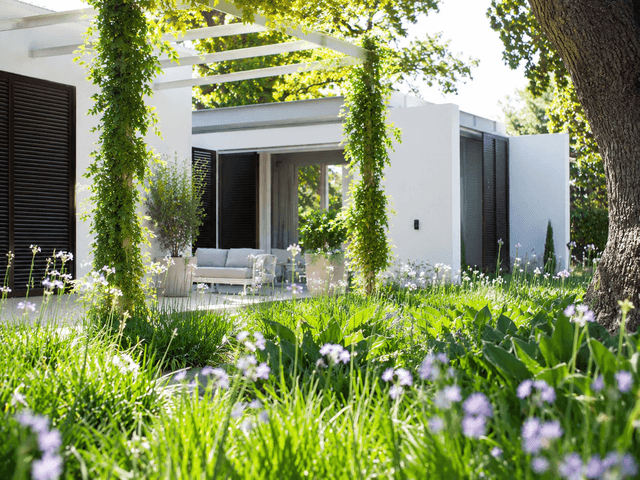
If you've been trying to replace a thirsty Southern California lawn, the internet keeps offering the same two answers: rip it out and put down artificial turf, or rip it out and put down gravel. Neither one feels quite right. Turf gets hot, fades, and now faces growing city restrictions. Gravel looks stark and does nothing for pollinators. If you want the low-water benefits without either of those trade-offs, there's a middle path most people never hear about: real, living lawn alternatives not artificial turf and not rock — plants that actually cover the ground like a lawn.
These are lawn-replacement surfaces, not just pretty planting beds. Some you can walk on. Some support wildlife. All of them use a fraction of the water a traditional lawn does. This guide covers the best living options for SoCal, honest trade-offs and all. For the bigger picture, explore our water-wise landscape design, and read on.
Why a Living Lawn Alternative Beats Turf or Gravel
Before the options, the case. A living low-water surface delivers what turf and gravel each fall short on:
- Cool, not hot. Living plants cool the air through transpiration — turf and gravel radiate heat instead.
- Green, but low-water. The best options use dramatically less water than traditional lawn while looking lush.
- Alive with pollinators. Bees, butterflies, and birds thrive in living groundcovers and meadows — impossible with plastic or rock.
- Future-proof. California protects your right to install living drought-tolerant landscaping, so no city can ban it — unlike synthetic turf, whose local rules are tightening.
- No plastic, no PFAS, no fading. Living surfaces avoid the chemistry, microplastic, and lifespan issues of synthetic turf.
The trade-off, honestly, is that living lawns need some care — light watering while establishing, occasional mowing or trimming, and thoughtful plant choice. What you get in return is a yard that gets better over time instead of worse. Broader drought-tolerant landscaping designs use these same principles at scale.
Kurapia
If any single plant deserves the label "turf without the plastic," it's Kurapia. It's a low-growing, flowering groundcover developed as a durable, low-water lawn replacement, and it's become one of the most popular choices for SoCal homeowners specifically because it fills the gap turf tries to.
What it offers:
- Dense, mat-forming coverage that looks and feels lawn-like.
- Sturdy enough for light foot traffic and family use.
- Deep-rooted, so it uses a small fraction of the water a typical lawn needs once established.
- Small white flowers that support pollinators (some cultivars are sterile, avoiding seed spread).
- Full sun tolerance and heat resistance.
A Kurapia lawn is usually installed from plugs, spreads to fill in over a growing season or two, and stays low with only occasional trimming rather than weekly mowing. It's a strong pick if you want a walkable, green, low-fuss surface that still feels like a lawn — without the environmental and regulatory issues of artificial turf.
UC Verde Buffalograss
UC Verde buffalograss is a warm-season grass bred by the University of California specifically for California's climate. Unlike traditional grasses, it's genuinely drought-adapted and content on a fraction of the water.
What it offers:
- A true grass look and feel underfoot — the closest "real lawn" option in this list.
- Dramatically lower water use than fescue or Bermuda after establishment.
- Low mowing needs — often just a few times per year — and no meaningful fertilizer.
- Handles foot traffic well.
- Goes tan-dormant in cool winter months and greens back up in spring.
Trade-off worth knowing: the winter dormancy period means it won't stay bright green year-round. If you want a walkable, familiar-looking lawn that costs a fraction to run and is willing to accept a golden winter, UC Verde is a strong pick. It typically goes in from plugs and fills in over the first season.
Clover & Microclover
Clover — long dismissed as a lawn "weed" — is enjoying a comeback as a low-water, low-input lawn alternative. Microclover, a smaller-leafed variety, mimics grass more closely and works particularly well in mixed lawns or as the main surface.
What a clover lawn offers:
- Soft, walkable, and lush-looking.
- Naturally fertilizes the soil (clover fixes nitrogen), so no chemical feed.
- Stays green with far less water than traditional grass.
- Small flowers feed bees and butterflies — mow before flowering if you'd rather it stay leaf-only.
- Establishes from seed, filling in quickly.
Best used in low to moderate-traffic yards. Some people go all-clover, others blend clover into a UC Verde or fescue lawn to cut water and feeding needs while keeping a familiar look. A clover lawn is one of the easiest DIY-friendly transitions from a traditional lawn.
Native Meadow
A native meadow trades the smooth uniformity of a lawn for something wilder, softer, and dramatically more alive. It's a mix of California-native grasses and low-growing wildflowers designed to move in the breeze, change through the seasons, and support pollinators and birds.
What it offers:
- A beautiful, naturalistic look with year-round interest — bloom cycles, seed heads, textures.
- Very low water use once established, with plants adapted to SoCal's dry summers and wet winters.
- Extraordinary habitat value for pollinators, songbirds, and beneficial insects.
- Minimal mowing — often once or twice a year at most.
- No feeding, and irrigation dialed back sharply after the first season.
Trade-off: a meadow isn't a play surface — it's not for daily foot traffic or kids' sports — and it looks intentionally more relaxed than a manicured lawn (curb-appeal-wise, some HOAs still object, so check first). But if you want the ecologically richest, most future-proof option and love a natural aesthetic, nothing beats a meadow. It pairs beautifully with shade trees and native plant palettes.
Other Low Water Ground Cover SoCal Options
Beyond the four headliners, several groundcovers make excellent partial-lawn or accent surfaces, especially where you want texture, color, or coverage in spots you don't need to walk on daily.
Creeping Thyme
A fragrant, low-water groundcover with tiny pink or purple summer flowers. Handles light foot traffic and smells lovely when brushed. Great between stepping stones.
Native Yarrow
Fern-like foliage and flat flower clusters. Very drought-tolerant, feeds pollinators, and can be mowed low for a soft, meadow-like surface in sunny areas.
Dymondia
A tough, silvery-green mat-forming groundcover that hugs the ground. Excellent between pavers and in sunny, low-traffic areas — one of the lowest-water living surfaces available.
Low-Growing Sedums
Succulent groundcovers with jewel-toned foliage. Almost no water once established, no mowing, and beautiful texture — best where you don't need to walk.
These pair naturally with a broader drought-tolerant plant palette and a low-maintenance landscaping approach.
How to Choose the Right Living Lawn Alternative
The best option depends on how you use the yard, how it faces the sun, and the look you want. A quick way to narrow it down:
- Need a walkable, family-friendly surface? Kurapia or UC Verde buffalograss.
- Want the closest thing to a traditional lawn? UC Verde (accept winter dormancy) or a clover or microclover lawn.
- Prioritize wildlife, beauty, and lowest water use? Native meadow.
- Filling in low-traffic spaces or between pavers? Creeping thyme, dymondia, yarrow, or sedums.
- Have kids and dogs running around? Kurapia or UC Verde are the most durable picks.
For most yards, a well-designed low-water landscape combines a durable central lawn-alternative surface with pockets of complementary planting — a mix that reads as intentional, beautiful, and low-effort. See finished living designs in our portfolio, and browse landscape design ideas for inspiration.
Grab our free Living Lawn-Alternative Selector — a short, practical worksheet that matches sun, traffic, look, and pet/kid use to the right living surface — so you can shortlist your two or three best options before a consult.
Design a Living, Low-Water Yard
Whether you're leaning toward Kurapia, curious about a meadow, or want a mix that fits your family, the smartest move is a plan tailored to your yard, soil, and sun. Book a free low-water design consult and we'll walk your space, talk through the living lawn alternatives that fit, and design a beautiful, water-wise yard — no plastic, no gravel, no regrets. Call +1 (818) 303-1570 or contact us to get started, and explore our full landscape design services.
Frequently Asked Questions
What are the best lawn alternatives that aren't artificial turf?
The strongest living lawn alternatives not artificial turf are Kurapia (a durable, walkable flowering groundcover), UC Verde buffalograss (a California-bred low-water grass), a clover or microclover lawn, and a native meadow of California grasses and wildflowers. For lower-traffic spots, creeping thyme, dymondia, native yarrow, and sedums add texture and beauty. Each uses a fraction of a traditional lawn's water while staying living and green.
Is a Kurapia lawn better than artificial turf?
For most SoCal homeowners wanting a walkable, low-water lawn, yes. A Kurapia lawn stays cool, supports pollinators, avoids the PFAS and heat issues of synthetic turf, uses very little water once established, and isn't subject to the same tightening city restrictions. It needs light care (some watering while establishing and occasional trimming) but avoids the fading, matting, and eventual replacement synthetic turf requires.
What is UC Verde buffalograss and how much water does it need?
UC Verde buffalograss is a warm-season grass bred by the University of California specifically for California's climate. It uses dramatically less water than fescue or Bermuda after establishment, needs mowing only a few times a year, and doesn't require meaningful fertilizer. The trade-off is a tan winter dormancy period. If you want the closest thing to a traditional lawn with a fraction of the upkeep, it's a strong pick.
Can I have a clover lawn in Southern California?
Yes - a clover lawn works well in SoCal, especially for low to moderate-traffic yards. Clover stays green with far less water than grass, fixes nitrogen so no chemical fertilizer is needed, and supports bees when it flowers (or mow before bloom if you prefer leaves only). Microclover is a smaller-leafed variety often used as an all-clover surface or mixed with grasses to reduce water and feeding needs.
Are living lawn alternatives really lower maintenance than a traditional lawn?
Yes, once established. Kurapia, UC Verde, clover, and native meadow all need much less water than a conventional lawn, no chemical feeding, and far less mowing - meadows only once or twice a year. The first season needs regular watering while roots establish, then the yard settles into a low-maintenance rhythm. Book a free low-water design consult at +1 (818) 303-1570 to plan yours.
Thinking about a new outdoor space?
We’d love to hear your ideas. Let’s explore what’s possible—no pressure, just a friendly conversation.
Give us a call:
+1 (818) 303-1570
Frequently Asked Question
CAN YOU PROVIDE A LANDSCAPE PLAN?
Yes – we have our own Design group who can draw anything from basic hand-drawn layouts and sketches, highly detailed concept plans, or a complete set of working construction drawings. Clients will often call upon us to provide this service as a first step to their overall project.