
OUR MISSION IS TO TAILOR FOR EACH CLIENT A BEAUTIFUL, FUNCTIONAL AND ENDURING OUTDOOR ENVIRONMENT THAT WILL PROVIDE A PLACE OF SERENITY FOR FRIENDS AND FAMILY TO APPRECIATE FOR YEARS TO COME.

BuildCal Landscape Landscape Design Article
Rock & Gravel Yards Done Right - Xeriscape vs. the 'Zeroscape' Mistake in SoCal
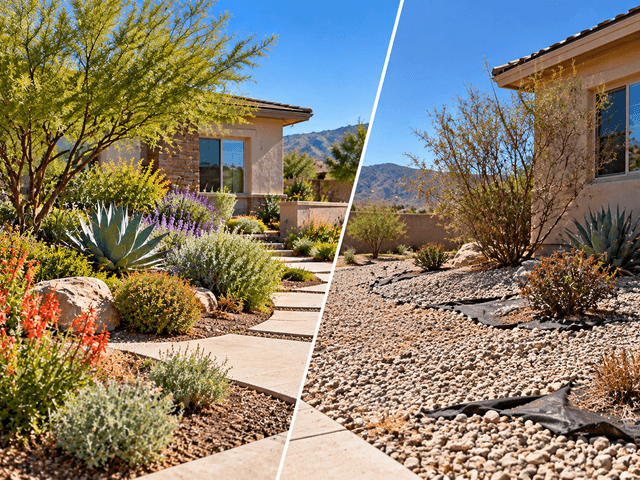
Every summer, another SoCal homeowner rips out a thirsty lawn, orders a few tons of gravel, spreads it wall to wall, and calls it done — then spends the next two years fighting weeds, squinting at glare, and standing on a yard that radiates heat like a parking lot. That is not xeriscaping. That is "zeroscaping," and it is one of the most common gravel yard mistakes in the region. A real xeriscape uses low-water plants, a proper permeable base, and thoughtful design to create a yard that is cooler, cleaner, and genuinely low-maintenance. This guide is about the difference between the two: why bare gravel bakes the yard and grows weeds anyway, how to get the base, edging, and weed strategy right, which plants make gravel look intentional instead of lifeless, and how cooling, drainage, and rebate rules should shape the design before you order a single ton of rock.
Zeroscape vs Xeriscape and Why It Matters
The words sound alike, but the results could not be more different. Understanding zeroscape vs xeriscape is the whole point of this article, because most disappointing rock yards come from doing the first while thinking they are doing the second.
| "Zeroscape" (the mistake) | Xeriscape (done right) | |
|---|---|---|
| Approach | Remove the lawn, dump gravel wall to wall, add nothing | Design a low-water landscape with plants, base, and structure |
| Plants | Few or none — a lifeless surface | Drought-tolerant plants grouped by water need |
| Temperature | Bare rock absorbs and radiates heat | Planting, shade, and mixed materials keep it cooler |
| Weeds | Weeds still germinate in dust and debris on top | Base prep, edging, and planting manage weeds by design |
| Result | Hot, weedy, monotonous, often regretted | Cool, clean, low-water, and intentional |
A well-designed xeriscape is closer to a garden than a gravel lot — it just uses far less water. Our guide to a designed xeriscape that groups plants by water need shows how low-water design stays lush rather than lifeless.
Why Bare Gravel Bakes and Grows Weeds
The two biggest gravel yard heat and maintenance complaints — the yard is an oven, and weeds keep coming — are predictable outcomes of the bare-gravel approach, not bad luck.
- Heat: Large expanses of bare rock absorb sun all day and radiate heat, warming the yard and nearby windows and walls, and making the space uncomfortable in summer.
- Glare: Light-colored rock can create harsh glare with no planting to soften it.
- Weeds: Gravel does not stop weeds. Dust, leaves, and organic debris settle on top and become a seedbed, and weeds root right in the gravel layer.
- Fabric failure: Landscape fabric under gravel often fails over time — weeds grow above it, it clogs drainage, and it makes future planting harder.
- Lifeless look: With nothing growing, the yard reads as an empty lot rather than a landscape.
Because surface material drives how hot an outdoor space feels, it is worth understanding how hot different surfaces get in the SoCal sun before covering a whole yard in one baking material.
Get the Base Edging and Weed Strategy Right
Whether you use decomposed granite, gravel, or a mix, the surface only performs if what is underneath it is built correctly. This is where DIY rock yards most often fail.
- Prepare and grade the base so the surface stays stable and drains, keeping the yard permeable rather than sealing the soil.
- Use crisp edging to contain gravel and separate it from lawn, beds, and paths so it does not migrate.
- Plan a realistic weed strategy — base preparation, planting density, and maintenance — rather than relying on fabric alone.
- Choose the right material and particle size for the use; a firm decomposed-granite path behaves differently from loose decorative rock.
- Keep slopes and drainage in mind so gravel does not wash out in a storm.
Add Plants That Make Gravel Look Intentional
Plants are what separate desert landscaping SoCal homeowners love from a barren lot. Even a mostly rock yard comes alive with the right drought-tolerant planting, which also shades and cools the surface.
- Use structural plants — agave, succulents, native shrubs, ornamental grasses — as focal points and rhythm.
- Add color and movement with drought-tolerant flowering plants and grasses.
- Layer heights so the design has depth instead of a flat gravel plane.
- Group plants by water need so irrigation stays efficient and the low-water goal holds.
- Combine gravel with boulders, a dry creek bed, and a few larger plantings for a designed, natural look.
Our list of drought-tolerant plants that thrive in a gravel-based design is a good starting palette, and pairing gravel with a dry creek bed and layered planting is one of the easiest ways to make a rock yard look intentional.
Plan Cooling Drainage and Rebate Eligibility
Before ordering material, three practical considerations should shape the design — and one of them can affect whether you get paid to do it right.
- Cooling: Use planting, shade, permeable surfaces, and mixed materials so the yard does not become a heat island.
- Drainage: Keep the design permeable and graded so water soaks in or drains safely, rather than sealing the yard and creating runoff.
- Rebates: Turf-replacement rebates may be available through local water agencies, but they typically require living plants and permeable design — and often specifically exclude bare gravel or plastic sheeting. In other words, a designed xeriscape is more likely to qualify than a "zeroscape." Verify current program rules, plant-coverage and material requirements, and any pre-approval steps before you start, since programs change.
THE REBATE IRONY
The bare-gravel "zeroscape" that disappoints homeowners is also the version most likely to be disqualified from turf-replacement rebates. Designing a real xeriscape — living plants, permeable base — is both the better yard and the one more likely to be eligible.
Frequently Asked Xeriscape and Gravel Yard Questions
Is a Gravel Yard Hotter Than a Planted One?
Generally, yes. Large areas of bare rock absorb sunlight and radiate heat, which can make the yard and nearby walls and windows noticeably warmer in summer, along with glare. A designed xeriscape reduces this by mixing gravel with drought-tolerant planting, shade, boulders, and other materials so the surface is broken up and partly shaded. The goal is a cool, comfortable low-water yard, not a heat-radiating lot.
How Do I Stop Weeds in a Gravel Yard?
Gravel alone does not stop weeds — dust and debris collect on top and become a seedbed, and landscape fabric often fails over time. The durable approach is proper base preparation, good edging to contain the gravel, dense enough planting to shade the ground, and ongoing maintenance. Treating weed control as a design and maintenance strategy works far better than relying on a single fabric layer under the rock.
What Is the Difference Between Zeroscape and Xeriscape?
"Zeroscape" usually describes the mistake of ripping out the lawn and covering the yard in bare gravel with little or no planting, which tends to be hot, weedy, and lifeless. Xeriscape is a designed, low-water landscape that uses drought-tolerant plants, efficient irrigation, a permeable base, and thoughtful layout. Both use less water than a lawn, but only the designed xeriscape stays cool, attractive, and low-maintenance.
Does a Gravel or Rock Yard Need a Proper Base?
Yes. A rock or decomposed-granite surface performs only if the base is prepared and graded correctly, with edging to contain the material and drainage planned so it does not wash out or seal the soil. Skipping base prep is one of the top rock yard mistakes, leading to shifting gravel, weeds, poor drainage, and a surface that looks messy within a season or two.
Design a Rock Yard That Actually Works
If you want the water savings of a rock yard without the hot, weedy "zeroscape" outcome, the answer is a designed xeriscape — and avoiding the common gravel yard mistakes starts with a real plan. Contact BuildCal Landscape for a low-water design consultation or call +1 (818) 303-1570. Our landscape design and installation services can plan the base, edging, drainage, planting, and cooling so your Glendale or Los Angeles yard stays low-water and low-maintenance while looking intentional — and is more likely to meet turf-rebate requirements along the way.
Thinking about a new outdoor space?
We’d love to hear your ideas. Let’s explore what’s possible—no pressure, just a friendly conversation.
Give us a call:
+1 (818) 303-1570
Frequently Asked Question
WHAT ABOUT THE BUDGET FOR MY LANDSCAPE INSTALLATION?
There is extensive documentation of the value that intelligent, thoughtful landscape design can add to your home. In many parts of California, the value of the land surrounding your home is equal to, or sometimes even greater than the value of the home itself. Well designed, installed and maintained landscaping can lead to a substantial increase in the overall value of your home.
A budgeting rule of thumb for a complete landscape installation or renovation is 5-10% of the total value of your home, including the land. Therefore, if you own a $550,000 home, plan to spend between $27,500-$55,500 for a basic, functional landscape that will return up to 200 percent in value. Unusual materials mature specimen plantings, or elaborate hardscape will add to this figure.
The most successful landscape projects start with a realistic budget. Don’t hesitate to share your budget with the landscape designer. The designer can help strike a balance between special materials and cost-conscious choices to create a beautiful space that meets your functional, aesthetic, and budget preferences before you ask contractors for bids.
Finally, be sure to budget for the ongoing care and maintenance of your new surroundings. Good maintenance will protect your investment, as well as ensure many years of personal enjoyment and satisfaction.