
OUR MISSION IS TO TAILOR FOR EACH CLIENT A BEAUTIFUL, FUNCTIONAL AND ENDURING OUTDOOR ENVIRONMENT THAT WILL PROVIDE A PLACE OF SERENITY FOR FRIENDS AND FAMILY TO APPRECIATE FOR YEARS TO COME.

BuildCal Landscape Landscaping Article
Will a Drought-Tolerant or Native Yard Hurt Your Curb Appeal or Resale?
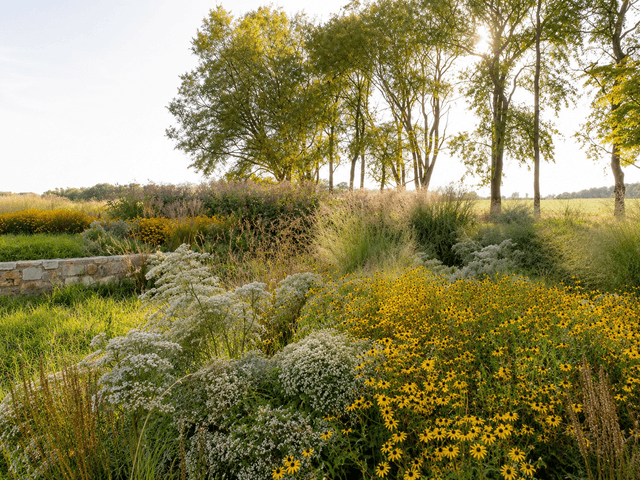
It's the quiet question behind almost every SoCal lawn conversion: does native landscaping affect home value? People love the idea of a low-water yard until they picture the messy patch of dry stalks and rocks they saw down the block. Nobody wants that on their front lawn — and nobody wants it to spook a buyer three years from now.
Here's the honest, practical answer: a poorly done native or drought-tolerant yard can absolutely look weird and cost you at resale. But a designed one — with structure, edges, layered planting, and intentional hardscape — reads modern and premium, and often outperforms a tired lawn on curb appeal. The whole outcome hinges on design, not on plant choice. This piece walks through why that's true, what buyers actually respond to, the mistakes that create the "weird yard" look, and how to get the low-water benefits without any of the resale risk. For the bigger picture, explore our water-wise landscape design, and read on.
The Real Question Isn't Native vs Lawn — It's Designed vs Undesigned
Walk any street undergoing a lawn-conversion wave and you'll see the split immediately. Some low-water front yards stop you in your tracks — layered planting, clean paths, a smart mix of textures, a home that looks intentional and current. Others look like someone gave up on the lawn: dry patches, random rocks, a lonely agave, weeds coming through gravel.
Same category of yard, opposite outcomes. The difference isn't the plants — it's whether the yard was designed. That's exactly what forum threads on lawn conversion keep circling: the split is between the "weird/messy" camp and the "stunning" camp, and it maps almost perfectly onto whether a designer or a random plant swap was involved. Homeowner-personalized conversions are cited as resale regrets far more often than the plants themselves. The takeaway isn't "avoid native or drought-tolerant." It's "don't skip the professional design process."
What Buyers Actually See at the Curb
Buyers form a curb-appeal impression in seconds — well before they read the listing, ask about plants, or think about water bills. What they respond to is universal, and it's very achievable with drought-tolerant or native planting.
- Order and intention. Clean edges, a defined path, and a clear line of sight to the front door say "cared for."
- Layers and softness. Different heights, textures, and greens - the yard shouldn't feel flat or bare.
- Structure and hardscape. Walkways, borders, a small patio or seating area, and thoughtful lighting all say premium.
- Health. Plants that look full and vibrant, mulch that's fresh, no yellowing or gaps.
- Curb-to-door flow. The eye lands on the entrance, not on a stray rock pile or an awkward transition.
Notice none of these depend on grass. A drought-tolerant curb appeal build hits every one - often more powerfully than a lawn does, because rich planting and a strong front walkway together read as far more considered than green rectangles ever did.
What Makes a Low-Water Yard Look "Weird"
The bad-looking conversions almost always share the same handful of mistakes. Recognize them and you can avoid the resale hit that gets blamed, unfairly, on "native yards."
- A gravel desert. Ripping out the lawn and pouring gravel with a few succulents scattered around reads as unfinished, not intentional.
- Random "one of each" planting. A single specimen of ten different plants looks chaotic; masses and repetition read as designed.
- No structure or edges. Without paths, borders, and mulched beds, even good plants look like weeds.
- Wrong plant, wrong place. Sun lovers in shade, water lovers in dry soil, mature-size plants in tiny beds - they all fail visually within a year.
- Neglect after year one. Even a great design turns "weird" if it isn't maintained - dead heads, missing plants, mulch that's disappeared.
- Over-personalization. A yard that reflects only your taste - a themed collection, a bold sculpture, a bright color story - can be genuinely wonderful to live with and hard to sell.
Every one of these is a design and maintenance issue, not a plant-category issue. Fix the design and any "weird" perception vanishes. For a broader look at low-effort but polished planting, our guide to low-maintenance landscaping complements this well.
How a Designed Drought-Tolerant or Native Yard Can Boost Curb Appeal
A properly designed water-wise front yard doesn't just avoid hurting your home value — it can actively help. Here's what it typically delivers over a tired lawn.
- Year-round interest. Lawn is one texture and mostly one color; a designed native or drought-tolerant yard offers bloom cycles, foliage variety, and seasonal change - buyers see "garden," not "grass."
- Modern signal. In California, a mature, thoughtful low-water yard reads as current and climate-aware - increasingly a plus, not a minus.
- Story of low upkeep. Buyers see a beautiful yard and hear "no weekly mowing, no big water bills" - a real quality-of-life pitch.
- Regulatory tailwind. With cities restricting artificial turf and pushing water-wise planting, a well-designed native yard is future-proof in a way a fescue lawn increasingly isn't.
- Hardscape you can list. The paths, patios, seating areas, and lighting that come with a designed yard are features buyers actively look for.
This is why intent and framing matter so much for xeriscape home value. Presented as a designed, low-maintenance, water-wise garden with real hardscape features, the same yard is a selling point that a bare lawn simply isn't. See finished examples in our portfolio.
The Resale-Safe Low-Water Front Yard Playbook
If curb appeal and resale are top-of-mind, here's how to get every low-water benefit without any of the risk.
- Design first, plants second. Lay out paths, beds, patios, and focal points before you pick species.
- Invest in a strong front walkway and entry. Nothing lifts curb appeal like a well-proportioned, well-lit path from the street to the door.
- Use masses, not singletons. Repeat the same plant in groups of three, five, or seven - it reads as intentional.
- Blend natives with polished cousins. Mediterranean-climate favorites like lavender, rosemary, and salvias slot next to natives and read as "garden" to any buyer.
- Anchor with a shade tree. A well-placed shade tree instantly makes a yard look established.
- Add lighting. A little outdoor lighting turns the front yard into a nighttime asset and doubles the perceived investment.
- Keep it maintained. Fresh mulch, tidy edges, and pruned plants - a seasonal maintenance rhythm preserves value.
- Design for broad appeal, not just your taste. Restrained color palette, classic materials, and simple lines translate to more buyers.
Grab our free Curb-Appeal-First Low-Water Design Guide - a short, practical brief on the layout, path, planting, lighting, and maintenance choices that keep a water-wise front yard reading premium at the curb. And when in doubt, working from established landscape design ideas and a Mediterranean and native plant palette keeps the result timeless.
Design a Low-Water Yard That Sells
You don't have to choose between saving water and protecting your home value - a designed drought-tolerant yard delivers both. Book a free design consult and we'll walk your front yard, sketch a layout that lifts curb appeal, and design a low-water garden that a future buyer will love as much as you do. Call +1 (818) 303-1570 or contact us to get started, and explore our full landscape design services.
Frequently Asked Questions
Does native landscaping affect home value?
It can go either way - the yard's design decides, not the plant category. A well-designed native or drought-tolerant yard with clean edges, layered planting, a strong walkway, and thoughtful lighting typically reads as modern and premium and holds or lifts home value. A rushed, undesigned conversion - gravel with a few scattered plants and no structure - can look unfinished and hurt curb appeal. Design first, plants second.
Do drought-tolerant plants have curb appeal in California?
Yes - a designed drought-tolerant front yard has strong curb appeal, often more than a tired lawn. Massed planting, seasonal bloom, layered heights, and hardscape (walkway, borders, small seating, lighting) create year-round interest a green rectangle can't match. In California, a mature water-wise garden also reads as current and climate-aware - increasingly a plus for buyers, not a minus.
Will a xeriscape yard hurt my resale value?
Not if it's designed well. Xeriscape home value depends on whether the yard looks intentional and cared for. Full, healthy planting in masses, clean paths and edges, and a designed layout signal quality to buyers. A bare gravel field with a few succulents and no structure signals cost-cutting. If you plan to sell, work with a designer and lean toward broadly appealing choices - restrained palette, classic materials, simple lines.
Why do some drought-tolerant yards look weird or messy?
Almost always because of design mistakes, not plant choice. The common culprits are 'gravel desert' looks, single specimens instead of massed planting, missing structure and edges, wrong plant for the spot, neglect after year one, and over-personalization. Each is fixable - and each is exactly what a professional designer handles. Fix these and any 'weird' perception vanishes.
How can I make a water-wise front yard look premium?
Design first: strong walkway, clear entry, defined beds. Plant in masses and layer heights and textures. Blend natives with familiar Mediterranean favorites like lavender and rosemary. Anchor with a shade tree, add outdoor lighting, and keep it maintained with fresh mulch and tidy edges. Book a free design consult at +1 (818) 303-1570 to plan a water-wise front yard built for curb appeal from day one.
Thinking about a new outdoor space?
We’d love to hear your ideas. Let’s explore what’s possible—no pressure, just a friendly conversation.
Give us a call:
+1 (818) 303-1570
Frequently Asked Question
WHAT ABOUT THE BUDGET FOR MY LANDSCAPE INSTALLATION?
There is extensive documentation of the value that intelligent, thoughtful landscape design can add to your home. In many parts of California, the value of the land surrounding your home is equal to, or sometimes even greater than the value of the home itself. Well designed, installed and maintained landscaping can lead to a substantial increase in the overall value of your home.
A budgeting rule of thumb for a complete landscape installation or renovation is 5-10% of the total value of your home, including the land. Therefore, if you own a $550,000 home, plan to spend between $27,500-$55,500 for a basic, functional landscape that will return up to 200 percent in value. Unusual materials mature specimen plantings, or elaborate hardscape will add to this figure.
The most successful landscape projects start with a realistic budget. Don’t hesitate to share your budget with the landscape designer. The designer can help strike a balance between special materials and cost-conscious choices to create a beautiful space that meets your functional, aesthetic, and budget preferences before you ask contractors for bids.
Finally, be sure to budget for the ongoing care and maintenance of your new surroundings. Good maintenance will protect your investment, as well as ensure many years of personal enjoyment and satisfaction.