
OUR MISSION IS TO TAILOR FOR EACH CLIENT A BEAUTIFUL, FUNCTIONAL AND ENDURING OUTDOOR ENVIRONMENT THAT WILL PROVIDE A PLACE OF SERENITY FOR FRIENDS AND FAMILY TO APPRECIATE FOR YEARS TO COME.

BuildCal Landscape Landscaping & Design Article
What a Full Backyard Remodel Costs in Glendale - Budgeting a Design-Build Project
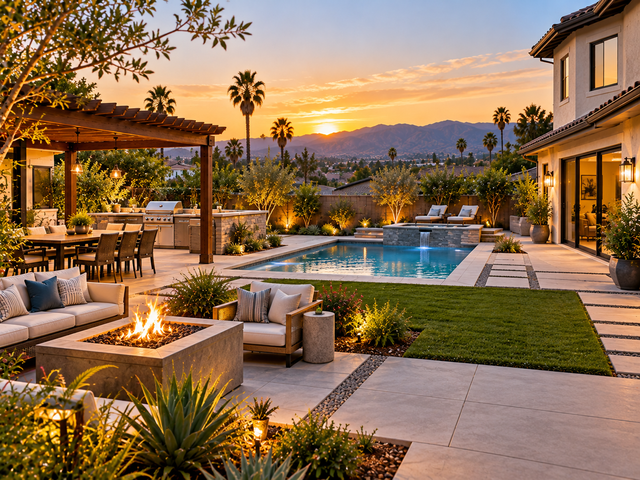
Trying to pin down backyard remodel cost in Glendale? There's no single number — a full yard renovation is really several projects in one, and the budget is built from its parts: hardscape, planting, irrigation, lighting, and drainage. What each costs depends on the scope, your site, and the materials. The smartest way to budget a design-build project is to understand how those pieces add up, decide what to do now versus later, and start with a plan so you're not paying twice to redo work. Here's how the budget breaks down and how to approach it. This is general guidance, current as of October 2026.
How do you budget a backyard remodel?
Break the project into its components — hardscape (patios, walkways, walls), softscape (planting and lawn), irrigation, lighting, and drainage — and understand the cost drivers of each rather than chasing one lump figure. Decide which pieces are must-haves now and which can wait, since a backyard remodel can be phased over time. Most importantly, start with a design and plan so the structure, grading, and utilities are right the first time. A written estimate after an on-site assessment turns these drivers into a real budget for your yard.
What does a full backyard remodel involve?
A whole-yard renovation combines structural and living elements into one coordinated plan: hardscape surfaces and features, planting and lawn, an irrigation system, lighting, and the grading and drainage that tie it together. Because the pieces interact — drainage affects planting, hardscape affects grading — a design-build approach that plans and builds them together avoids the clashes you get when separate trades work piecemeal. BuildCal handles this end to end through its landscape design and build services, and the right plan accounts for the site's soil, grade, sun, and how you'll use the space.
How the budget breaks down by component
Rather than dollar figures, here's what drives the cost of each part — because that's what lets you prioritize and phase intelligently.
Hardscape
Patios, walkways, driveways, steps, and retaining walls are often the largest share of a remodel budget. Cost drivers include area, material, base-preparation depth, grading, and any structural walls (which may need permits and engineering). This is where proper base and drainage work matter most for durability.
Softscape and planting
Planting beds, trees, shrubs, and lawn or lawn alternatives. Drivers include plant size and quantity, soil preparation, and whether you choose drought-tolerant, water-wise planting — which suits the climate and can lower long-term water costs.
Irrigation
An efficient irrigation or drip system protects the planting investment. Cost depends on the yard size, zoning, and whether you're installing new or upgrading. Water-wise systems can reduce ongoing bills.
Lighting
Landscape lighting extends the yard's usability into the evening and adds security and curb appeal. Drivers include the number and type of fixtures and the wiring layout. It's often a high-impact finishing layer.
Drainage and grading
The least visible but often most important piece. Correct grading and drainage protect the whole investment from pooling, erosion, and foundation issues — and skipping it is a common cause of costly rework. On sloped Glendale-area lots especially, this is foundational.
Remodel budget components at a glance
| Component | What it covers | Key cost drivers | Notes before starting |
|---|---|---|---|
| Hardscape | Patios, walls, walkways, driveways | Area, material, base prep, structural walls | Often the largest share; permits possible |
| Softscape | Planting, trees, lawn/alternatives | Plant size/quantity, soil prep, water-wise choices | Drought-tolerant lowers long-term cost |
| Irrigation | Drip / sprinkler systems | Yard size, zoning, new vs. upgrade | Protects the planting investment |
| Lighting | Landscape and security lighting | Fixture count/type, wiring layout | High-impact finishing layer |
| Drainage & grading | Grading, drains, runoff control | Slope, soil, extent of work | Protects the whole investment |
Phasing a backyard remodel over time
You don't have to build everything at once. Many homeowners phase a remodel — but the key is to phase it in the right order, guided by a master plan. Structural and underground work (grading, drainage, hardscape bases, irrigation lines) should come first, because doing it later means tearing up finished areas. Planting and lighting can often follow in later phases. Our guide on setting priorities for a Los Angeles backyard remodel helps you decide what goes first, and our backyard remodel planning overview covers sequencing.
Why a plan first saves money
The single biggest budget mistake is building piecemeal without a plan, then discovering a later phase requires undoing an earlier one — moving a drain line under a finished patio, regrading around new planting. A design and master plan up front means the grading, drainage, and utilities are set correctly for the whole yard before any surface goes down, so each phase builds on the last instead of fighting it. A well-planned project reduces costly rework, which is where piecemeal budgets quietly blow up.
What to check before starting your remodel
- What are your must-haves versus nice-to-haves?
- Will you build in one go or phase it over time?
- What's the grade and drainage situation — flat, sloped, prone to pooling?
- Do any elements (retaining walls, large structures) need permits?
- Are you prioritizing water-wise planting and irrigation for lower long-term costs?
- Do you have a master plan so phases won't conflict?
What mistakes lead to a costly remodel?
- Building piecemeal with no master plan, then redoing work in later phases.
- Skipping grading and drainage, undermining everything built on top.
- Choosing surfaces on price without accounting for base prep and durability.
- Installing planting before irrigation and drainage are sorted.
- Ignoring permits for retaining walls or structures.
- Hiring separate uncoordinated trades instead of a design-build team.
How do you choose the right landscaping company in Glendale?
For a full remodel, a design-build contractor who plans and builds the whole project is usually better than juggling separate trades. Look for a licensed landscape contractor (CSLB) who starts with a design, gives a clear written estimate broken down by scope, and sequences the work so phases don't conflict. Being able to compare quotes fairly matters — our guide on comparing landscaping and hardscape quotes in Glendale helps you read past the headline number to what's included.
How does BuildCal help you?
BuildCal is a licensed landscape contractor (California State License Board / CSLB) in Glendale, and as a design-build company we handle a full backyard remodel end to end — design, hardscape, planting, irrigation, lighting, and drainage — under one coordinated plan. We start with an on-site assessment of your yard's grade, soil, drainage, and how you want to use the space, then provide a written estimate broken down by scope so you can see where the budget goes and decide what to phase. Sequencing the structural and underground work first protects your investment and avoids rework. For budget-conscious plans, our guide to designing a backyard oasis on a budget in Los Angeles shows how to prioritize.
Steps to request your project from BuildCal
- Share photos of your yard and a short description of your goals and must-haves.
- Schedule an on-site assessment of the grade, soil, drainage, and access.
- Receive a written estimate broken down by scope, with phasing options and timeline.
- Approve the plan and schedule the work.
- Installation and a final walkthrough, with cleanup and aftercare notes.
Frequently asked questions about backyard remodel cost in Glendale
How much does a full backyard remodel cost in Glendale?
There's no honest single figure, because a full remodel is several projects — hardscape, planting, irrigation, lighting, and drainage — and the total depends on your scope, site, and materials. A small refresh is very different from a whole-yard transformation with patios, walls, and a new irrigation system. The reliable way to know is a design and a written estimate broken down by component. Costs vary with site conditions; this is current as of October 2026.
Which part of a backyard remodel costs the most?
Usually hardscape — patios, walkways, driveways, and especially retaining walls — because of the materials, base preparation, grading, and any structural engineering involved. Drainage and grading can also be significant on sloped lots, even though they're less visible. Planting, irrigation, and lighting round out the budget. Breaking the project into components during design is what lets you see where the money goes and prioritize accordingly.
Can I do a backyard remodel in phases?
Yes, and many homeowners do. The key is phasing in the right order under a master plan: structural and underground work — grading, drainage, hardscape bases, irrigation lines — should come first, because installing them later means tearing up finished areas. Planting and lighting can follow in later phases. Phasing lets you spread the cost over time without wasting money, as long as the whole yard is planned up front.
Why should I pay for a design before building?
Because a plan prevents the most expensive mistake: building piecemeal and then undoing earlier work when a later phase conflicts with it. A design sets the grading, drainage, and utilities correctly for the whole yard before any surface goes down, so each phase builds on the last. It also gives you an accurate, scoped budget and lets you compare quotes fairly. The design cost is usually far less than the rework it prevents.
Is design-build better than hiring separate contractors?
For a full remodel, usually yes. A design-build company plans and builds the whole project under one coordinated scope, so the hardscape, planting, irrigation, lighting, and drainage work together rather than clashing. Hiring separate, uncoordinated trades can lead to sequencing problems, finger-pointing, and rework. Design-build also gives you one written scope and point of accountability, which makes budgeting and the timeline more predictable.
Do you offer free estimates for a backyard remodel?
Yes. We start with an on-site assessment of your yard and goals, then provide a written estimate broken down by scope so you can see the budget by component and decide what to build now versus phase later. Pricing and timeline are confirmed after that assessment rather than guessed up front, because an accurate estimate depends on your site's grade, soil, drainage, and the scope you choose.
Request your estimate today
If you're budgeting a backyard remodel in Glendale or the greater Los Angeles area, the clearest next step is a design and a scoped estimate for your actual yard — so you can see where the budget goes and decide what to phase. Send BuildCal a few photos of your space to schedule an on-site assessment and get a written estimate before any work begins. Call (818) 303-1570 or request your free estimate online.
Thinking about a new outdoor space?
We’d love to hear your ideas. Let’s explore what’s possible—no pressure, just a friendly conversation.
Give us a call:
+1 (818) 303-1570
Frequently Asked Question
WHAT DOES A LANDSCAPE DESIGN COST?
You purchase a landscape designer’s expert consultation time, and, typically, your project’s design plan. Landscape designers bill for their services in various ways. Design is ordinarily billed on an hourly basis or as a flat fee. It is important that the homeowner and the landscape designer have an early discussion and agreement about the cost of services.