
OUR MISSION IS TO TAILOR FOR EACH CLIENT A BEAUTIFUL, FUNCTIONAL AND ENDURING OUTDOOR ENVIRONMENT THAT WILL PROVIDE A PLACE OF SERENITY FOR FRIENDS AND FAMILY TO APPRECIATE FOR YEARS TO COME.

BuildCal Landscape Landscape Design & Sustainable Landscaping Article
Choosing Native or Non-Native Plants in Glendale
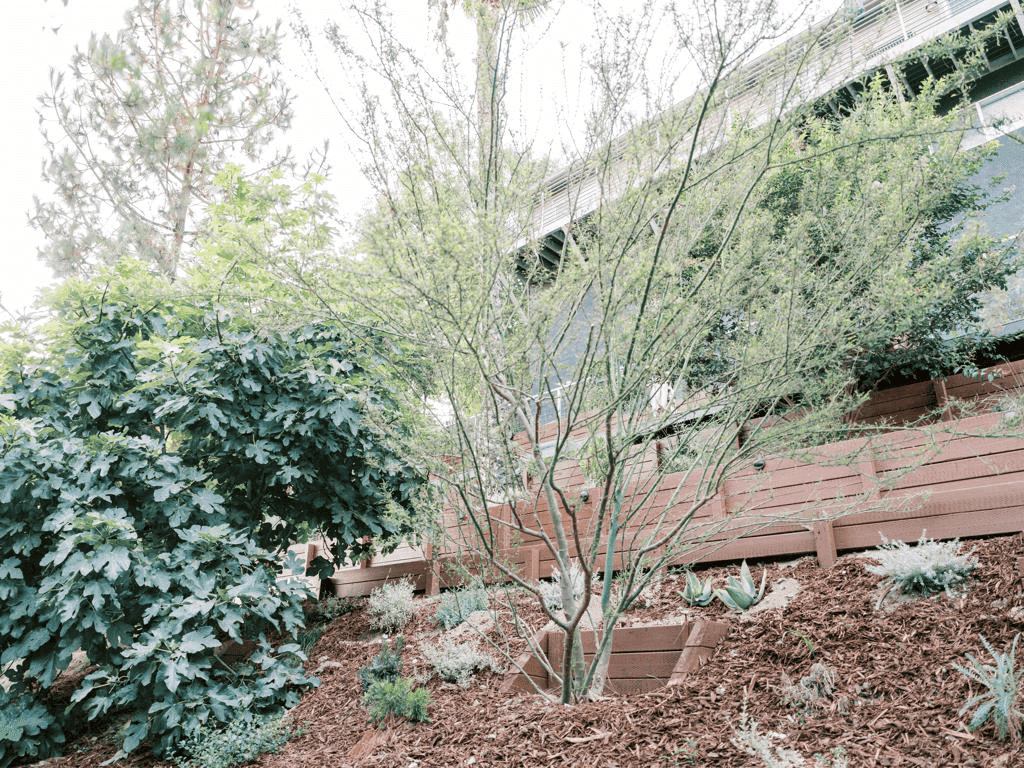
Choosing the right plants is one of the most important decisions in Landscape Design, especially in Glendale, CA, where water efficiency and long-term sustainability matter. Homeowners often ask whether native plants or non-native plants are better for creating a beautiful, low-maintenance garden.
BuildCal has been designing outdoor spaces since 2010 — over 14 years of hands-on experience right here in Glendale and surrounding neighborhoods. Our team includes designers and technicians certified by the American Society of Landscape Architects (ASLA), and every project we complete is documented with before-and-after photos. We use trusted local materials — like California-native stone and drought-tolerant plants — so landscapes last longer and require less maintenance.
Let’s break down the differences and help you decide what’s best for your garden.
What are native plants, and why do they matter in Glendale, CA?
Native Plants are species that naturally evolved in California’s climate. They are adapted to local soil, rainfall patterns, and temperatures.
According to research from the
California Native Plant Society, native plants require significantly less water and fertilizer than non-native alternatives.
Benefits of native plants include:
-
Lower water usage
-
Better drought tolerance
-
Natural resistance to local pests
-
Support for native wildlife
-
Landscape Design in Glendale, CA
What are non-native plants, and when are they used?
Non-native plants are species introduced from other regions or countries. While some can thrive in Southern California, they often require:
-
More frequent watering
-
Additional fertilization
-
Ongoing pest control
-
Higher maintenance
In sustainable landscaping, non-native plants are usually selected only when they can coexist with native plants without increasing water demand.
-
Outdoor Living Enhancements
Which option is more drought-tolerant?
Native plants are naturally drought-tolerant, making them ideal for Glendale, CA. Studies from the
University of California Agriculture and Natural Resources
show that California native plants can reduce landscape water use by up to 60%.
Non-native plants often struggle during extended dry periods unless supported by Irrigation Systems.
I have a small yard… what works for me?
We design compact, low-maintenance yards with easy pathways, drought-tolerant plants, and soft lighting that creates a calm, welcoming feel. You won’t need to mow every week.
In small Glendale gardens, native plants help maximize space while reducing upkeep.
-
Hardscaping Services
My yard is old and messy… can you fix it?
Yes. We specialize in reviving neglected yards — we remove weeds, rebuild paths, add new plants, and install smart Irrigation Systems. We turn a “jungle of weeds” into a peaceful retreat using carefully selected native plants.
-
Landscape Design in Glendale, CA
Can you install outdoor lighting for plant-focused landscapes?
Yes. We design Outdoor Lighting that highlights your favorite features — including native plants, trees, and pathways. The lighting is gentle, safe, and energy-efficient.
-
Outdoor Lighting
I want pathways or an outdoor patio — what materials work best with native plants?
We build walkways from natural stone and patios from heat-resistant pavers — all crafted by skilled hands, built to last without cracks or damage. These materials pair naturally with native plants and support long-term durability.
-
Paver Installation
Is sustainable landscaping easier with native plants?
Yes. Sustainable landscaping relies on reducing water use, chemical treatments, and long-term maintenance. Native plants support all three goals.
shows native planting strategies are a core component of sustainable Landscape Design nationwide.
What makes BuildCal different when designing native plant landscapes in Glendale, CA?
BuildCal is the ONLY company in Glendale, CA that offers:
→ A free, no-pressure personal meeting — we walk your yard, listen to you, and learn how you want to live in it
→ Custom Landscape Design — no copied templates
→ Native Plants and drought-resistant options to reduce water use
→ A guarantee on all work — we don’t just build, we make sure it lasts
BuildCal has been creating sustainable outdoor spaces in Glendale, CA since 2010, following ASLA-certified design standards and using trusted California-native materials.
Ready to choose the right plants for your Glendale garden?
Call (+1 (818) 303-1570)
Serving Glendale, CA
Sustainable Landscape Design built for long-term beauty
Thinking about a new outdoor space?
We’d love to hear your ideas. Let’s explore what’s possible—no pressure, just a friendly conversation.
Give us a call:
+1 (818) 303-1570
Frequently Asked Question
HOW DOES THE DESIGN PROCESS WORK?
While the process may vary depending on the designer, the client’s needs, and the complexity of the project, most residential design projects include the following:
Initial Consultation, This is a chance to meet the designer and review the requirements and objectives of the project. Many designers charge for this visit, so to get the most out of the experience, ask the designer the best way to prepare and be sure you understand exactly what will be covered at this meeting.
Concept Plan. After listening to your ideas and priorities, the designer analyzes the site’s character, strengths and problems, and then develops one or more alternative concept plans for review.
Master Plan. The final master plan represents the culmination of your choices with the designer, and typically includes a complete spatial layout for your outdoor living spaces and other hardscape or architectural concepts.
Planting Plan. This is a working drawing from which the garden will actually be planted, and includes botanical names, container sizes, specific plant locations, and planting instructions to the contractor.
Additional Plan Documents. Depending on the scoop of your project, your designer may also provide a lighting plan, specialized guidelines on planting or irrigation, or notes and sketches on design elements such as water features or furniture and accessories placement.
Installation Assistance Many landscape designers will assist you in soliciting and reviewing construction bids, including referring contractors appropriate for your project. Others may choose to provide drawings only. Designers often stay involved throughout the installation phase to advise on design modifications, material selections and purchase and placement of garden art and accessories.