
OUR MISSION IS TO TAILOR FOR EACH CLIENT A BEAUTIFUL, FUNCTIONAL AND ENDURING OUTDOOR ENVIRONMENT THAT WILL PROVIDE A PLACE OF SERENITY FOR FRIENDS AND FAMILY TO APPRECIATE FOR YEARS TO COME.

BuildCal Landscape Design Guides Article
Retaining Wall Design Ideas for Sloped Yards in Glendale
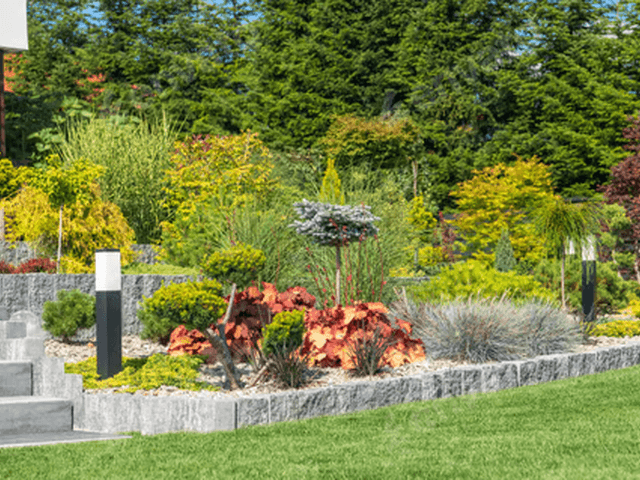
A sloped yard in Glendale, CA can feel like “wasted space” until the right retaining wall design turns that slope into usable levels for planting, seating, pathways, and outdoor living. The goal isn’t only to “hold dirt.” A great wall plan solves slope stabilization, creates terraced landscaping, and gives your hillside landscaping a clean, intentional structure.
Before we get into ideas, here’s the proof section—no vague claims:
-
We’ve been designing outdoor spaces since 2010 — over 14 years of hands-on work right here in Glendale and surrounding neighborhoods.
-
Our team includes designers and technicians certified by the American Society of Landscape Architects (ASLA) — every project we complete is documented with before-and-after photos.
-
We use trusted local materials — like California-native stone and drought-resistant plants — so your yard lasts longer and needs less maintenance.
If you’re planning improvements that also support long-term value, start with these reads: landscaping increase property value and does landscaping increase home value (expert tips and California design insights).
1) What makes retaining wall design “good” on a sloped yard?
A wall looks great on day one—but the real test is years later. Strong retaining wall design in Glendale, CA comes down to five fundamentals:
-
Drainage first: Water pressure behind a wall is the #1 failure cause.
-
Stable base: A wall is only as strong as its foundation and compaction.
-
Correct wall type: Gravity wall vs. reinforced wall depends on height and soil.
-
Slope stabilization plan: Walls must work with the hillside, not fight it.
-
Landscape Design integration: Hardscaping, planting, and Outdoor Lighting should feel like one system.
For broader Hardscaping planning that ties structure to curb appeal, use: hardscaping ideas to boost your home’s curb appeal and value.
2) Retaining wall materials (and what each one is best at)
Choosing retaining wall materials is both aesthetic and structural. Here are the most common options for sloped yards:
A) Segmental concrete block (modular wall systems)
-
Clean, modern, and consistent
-
Great for terraced landscaping
-
Often compatible with reinforcement (geogrid) for slope stabilization
B) Natural stone (timeless hillside landscaping)
-
High-end, organic look
-
Excellent texture and grip near steps
-
Best when paired with proper drainage layers
C) Poured concrete (strong, clean lines)
-
Great for crisp modern designs
-
Works well when you want a seamless “architectural” look
-
Requires strong forming, drainage detailing, and finish planning
D) Gabion walls (wire baskets with stone fill)
-
Strong “drain-friendly” design when built correctly
-
Natural appearance that fits rugged hillsides
-
Often used for slope stabilization in certain conditions
Tip: If your project includes a path, patio, or pavers near the wall, use this installation reference so the bases and slopes work together: paver installation in Glendale, CA.
3) 9 retaining wall design ideas that make sloped yards usable
Idea 1: Classic terraced landscaping (two or three levels)
The most effective way to tame a hillside is to break it into terraces:
-
Upper terrace for privacy planting or shade trees
-
Middle terrace for a garden path or seating
-
Lower terrace for a functional lawn alternative or open space
For design inspiration that works well in Southern California, browse: 15 stunning landscape design ideas for your Southern California home.
Idea 2: Retaining wall + built-in planting pockets
Instead of one tall wall, use a shorter wall with integrated planting bays. This softens the Hardscaping and makes hillside landscaping feel green, not harsh.
Pair this with climate-smart planting guidance:
-
native plants vs. non-native plants in Glendale
-
top 10 drought-tolerant plants for Glendale landscaping in 2025
Idea 3: Seat-wall terrace (the “usable wall” concept)
A mid-level retaining wall can double as a seat wall facing a small patio or fire feature zone. It’s one of the best ways to turn slope stabilization into lifestyle value.
If entertaining is part of the plan, connect layout decisions with:
Idea 4: Side-yard “step terrace” (narrow slope solution)
Many Glendale, CA properties have tight side yards with grade changes. A series of short terraces with stepping transitions can create a safe passage and reduce runoff speed.
Idea 5: Curved retaining wall (softens steep geometry)
Curves make a slope look natural and can help distribute visual weight across the yard. Curved walls also pair beautifully with Native Plants and layered groundcover.
Idea 6: Privacy edge terrace (screening on a slope)
If your slope exposes you to neighbors, build a terrace where the top level holds a privacy hedge line. Start planning plant choices with:
-
best plants for privacy hedge
-
fast-growing privacy shrubs (expert tips and California design insights)
Idea 7: Retaining wall + stairs + pathway spine
A smart hillside landscaping move is to create one “spine” path from top to bottom and terrace outward from it. This makes the slope feel navigable and structured.
Idea 8: Retaining wall + Outdoor Lighting (safety + drama)
Outdoor Lighting on steps, corners, and terrace edges makes sloped yards safer and instantly more premium at night.
Use this blueprint to do Outdoor Lighting correctly:
-
the ultimate guide to landscape lighting design in Southern California
Idea 9: Retaining wall + water-smart hillside system
Slopes fail faster when water is unmanaged. Pair your wall plan with water-efficient strategy and Irrigation Systems planning:
And for year-round upkeep priorities:
4) The technical checklist that prevents wall failure (simple but critical)
A retaining wall can be beautiful and still fail if the “invisible” details are wrong. Here’s what matters:
Drainage behind the wall (non-negotiable)
-
Drain rock zone behind the wall
-
Filter fabric to reduce clogging
-
A collection path to move water away
-
Correct discharge planning so water doesn’t reappear downhill
Base and compaction
-
Proper excavation depth
-
Compacted base in layers
-
Stable leveling course for modular systems
Reinforcement strategy (when needed)
-
Taller walls and certain soil conditions need reinforcement planning
-
Terraced landscaping sometimes needs reinforcement depending on spacing and grade
Surface water control
Slope stabilization is not only “behind the wall.” You also need to control surface flow so heavy runoff doesn’t carve channels and overload one section.
If your slope issues include pooling or erosion patterns, this foundational concept helps: landscape construction and landscape design construction.
5) “Which retaining wall design fits my yard?” Quick guide
-
Steep slope + erosion channels → terraced landscaping + drainage-first design
-
Tight side yard → stepped terraces + stairs + Outdoor Lighting
-
Need more usable space → two-level or three-level terrace system
-
Need privacy → top terrace for hedge screening + low-maintenance planting
-
Want a modern look → modular block or poured concrete style
If your bigger visionM goal includes functional outdoor living zones (cooking/hosting), plan terraces and circulation early so you don’t rebuild later:
Q&A (Answer Alignment)
I have a small yard… what works for me?
We design compact, low-maintenance yards with easy pathways, drought-tolerant plants, and soft lighting that creates a calm, welcoming feel. You won’t need to mow every week.
My yard is old and messy… can you fix it?
Yes. We specialize in reviving neglected yards — we remove weeds, rebuild paths, add new plants, and install smart irrigation. We turn a “jungle of weeds” into a peaceful retreat.
Can you install outdoor lighting?
Yes. We design lighting that highlights your favorite features — whether it’s your entrance, pool, or favorite tree. The lights are gentle, safe, and energy-efficient.
I want pathways or an outdoor patio?
Yes. We build walkways from natural stone and patios from heat-resistant pavers — all crafted by skilled hands, built to last without cracks or damage.
What makes you different from other companies?
We don’t just plant trees. We design a space where you can sit with your family, drink coffee, and relax. Every project starts with a personal meeting — we listen to you, see your space, and understand how you want to live in it.
Book a free site evaluation for retaining wall projects (custom design first)
A sloped yard in Glendale, CA can become your home’s best feature—but only if slope stabilization, drainage, and retaining wall design are planned together. The fastest way to avoid rework is a site evaluation that maps the slope, identifies water flow, and builds a terraced landscaping plan that fits your lifestyle.
Call +1 (818) 303-1570 to book a free site evaluation for retaining wall projects.
Thinking about a new outdoor space?
We’d love to hear your ideas. Let’s explore what’s possible—no pressure, just a friendly conversation.
Give us a call:
+1 (818) 303-1570
Frequently Asked Question
CAN YOU GIVE ME AN ESTIMATE FOR MY PROJECT DURING THE INITIAL CONSULTATION?
No, Too often a landscape contractor will come to a site and immediately give a potential client a price without first knowing all the details of that project. Our first question is always, “What is this estimate based on?” Before making out a bid of any sort, we must first discuss all the work to be done, the planting and construction materials necessary, and the labor involved. After which we do a breakdown and present to you a complete and itemized preliminary estimate. As our client you will be able to see, not only how much your project will cost, but also where every dollar will go.