
OUR MISSION IS TO TAILOR FOR EACH CLIENT A BEAUTIFUL, FUNCTIONAL AND ENDURING OUTDOOR ENVIRONMENT THAT WILL PROVIDE A PLACE OF SERENITY FOR FRIENDS AND FAMILY TO APPRECIATE FOR YEARS TO COME.

BuildCal Landscape Decks, Pergolas & Fences Article
Old Deck Feeling Soft or Wobbly in SoCal? Repair, Refinish, or Replace
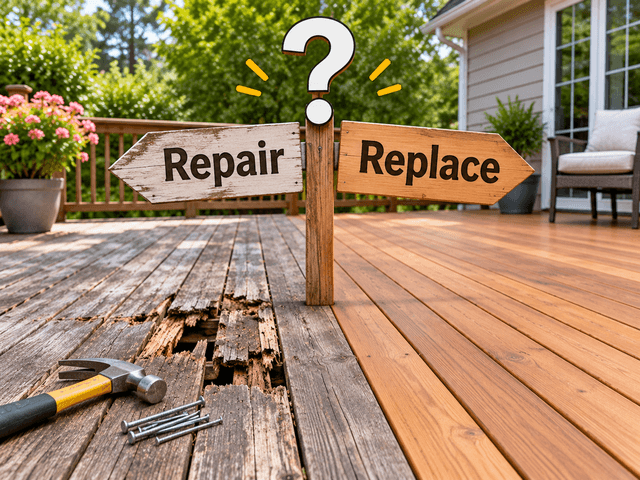
When a deck starts feeling soft underfoot, bouncing when you walk across it, or showing spongy, gray, crumbling boards, the first question is not whether to repair or replace — it is whether the deck is safe to stand on at all. Deck failures are a real safety issue, and a wobbly or rotting deck should be treated as a question mark until it is checked. Once safety is established, the repair or replace decision comes down to what is actually wrong. Some problems — a few soft boards, a loose railing, a tired finish — are straightforward repairs. Others — a compromised ledger, widespread dry rot, or failing posts and footings — mean the structure itself is the problem, and patching it is throwing money at something that needs rebuilding. This guide walks through the safety check, what is repairable versus what is not, when refinishing is enough, when replacement is the smarter spend, and the SoCal-specific enemies that age a deck fast.
Start With a Safety Check Not a Refinish
Before you think about looks, answer the real question: is my deck safe? The most dangerous deck failures are structural, and they often hide beneath a surface that still looks fine. Check — or have a professional check — the elements that actually hold the deck up.
- The ledger: Where the deck attaches to the house is the single most important connection and a leading cause of deck collapses. Look for proper attachment, flashing, and no rot behind it.
- Posts and footings: Check post bases for rot and the footings for movement or settling.
- Fasteners and connections: Corroded nails or screws, missing or loose joist hangers, and weak connections all compromise the structure.
- Soft or rotted wood: Probe suspect areas — spongy, soft, or crumbling wood, especially at joints, post bases, and stair stringers, signals rot.
- Railings and guards: Loose or wobbly railings are a fall hazard and must be solid.
DON'T KEEP USING AN UNSAFE DECK
If the ledger is pulling away, posts are rotting, or the deck sways and bounces, treat it as unsafe until a professional evaluates it. A deck that fails under weight is a serious injury risk — get it inspected before the next gathering, not after.
What's Usually Repairable and What Isn't
Not every problem means tearing the deck out. The dividing line is simple: surface and component problems are usually repairable, while failures in the structure that holds the deck up usually are not worth patching.
| Symptom | Likely path |
|---|---|
| A few soft or cracked surface boards | Deck board replacement |
| Loose railing or wobbly handrail | Repair / re-secure |
| Faded, gray, or peeling finish on sound wood | Refinish |
| An isolated damaged joist with sound structure elsewhere | Targeted repair |
| Compromised ledger or flashing | Serious repair or replace |
| Widespread dry rot or failing posts and footings | Replace |
Refinish an Otherwise Structurally Sound Deck
If the structure checks out and the deck is just weathered, you may only need to refinish old deck boards rather than repair or replace anything. Refinishing restores appearance and protects the wood — but it is cosmetic, so confirm the structure is sound first.
- Clean the deck thoroughly and let it dry fully.
- Sand as needed, replace any individual bad boards, and secure loose fasteners.
- Apply an appropriate stain or sealer for the wood and the SoCal sun, following the product directions.
- Remember refinishing does not fix rot, a bad ledger, or structural wobble — it only renews the surface.
When Replacement Is the Smarter Spend
Sometimes repeated repairs cost more over time than replacing the deck, and sometimes the structure simply cannot be made safe without rebuilding. In those cases, replacement is the smarter spend.
- Widespread dry rot, a failing ledger, or bad posts and footings usually point to replacement over patching.
- An old deck that was not built to current structural standards may need to be rebuilt to be made safe and compliant.
- If you are repairing the same deck again and again, replacement often ends the cycle.
- Replacement is also the moment to redesign — our custom deck ideas for Glendale homes show what a new deck can be, and on a slope, choosing a deck or patio is worth weighing.
- Structural repairs and replacements generally require a building permit and must meet current code — review the deck and pergola permit checklist and confirm local requirements.
SoCal Decks Fight Sun Dry Rot and Termites
Southern California is tough on wood decks in specific ways, and knowing the local enemies helps you catch problems early.
- Sun: Relentless UV dries, fades, and cracks wood and breaks down finishes, so SoCal decks need more diligent refinishing.
- Dry rot: A dry rot deck develops where moisture cycles into wood — around the ledger, post bases, and joints — even in a dry climate, so check these spots.
- Termites: Subterranean and drywood termites damage wood decks, especially at or near ground contact; have suspected infestations assessed.
- Keep wood off direct soil contact, maintain the finish, and manage drainage so water does not sit against the structure.
Frequently Asked SoCal Deck Repair Questions
How Do I Know If My Deck Is Safe?
Check the structure, not just the surface. The ledger where the deck attaches to the house is the most critical connection and a leading cause of collapses, so look for solid attachment, flashing, and no hidden rot. Inspect posts and footings for rot and movement, fasteners and joist hangers for corrosion or looseness, and probe for soft, spongy wood. If the deck sways, bounces, or shows any of these, treat it as unsafe and have it professionally evaluated before using it.
Should I Repair or Replace My Deck?
Repair when the problems are surface or component issues — a few soft boards, a loose railing, a worn finish, or an isolated damaged joist on an otherwise sound structure. Replace when the structure itself is failing: a compromised ledger, widespread dry rot, or bad posts and footings, or when the deck was not built to current standards and cannot be made safe without rebuilding. Repeated repairs on an old deck often cost more than replacement over time.
Why Is My Deck Bouncy or Wobbly?
A bouncy or wobbly deck can mean undersized or damaged framing, missing bracing or blocking, loose or corroded connections, or a structural deficiency — and it can be an early warning of a bigger problem. It is not something to ignore or "get used to." Because the cause ranges from a simple fix to a serious structural issue, a wobbly deck should be inspected so the real reason is identified before someone is on it under load.
Can I Just Refinish My Old Deck?
Only if the structure is sound. Refinishing — cleaning, sanding, replacing individual bad boards, and applying stain or sealer — restores appearance and protects the wood, but it is purely cosmetic. It does not fix rot, a failing ledger, bad footings, or structural wobble. Always confirm the deck is structurally safe first; if it is, refinishing is a great way to renew it, and in SoCal's sun it will need redoing more often than in milder climates.
Get a Deck Inspection Today
If your deck feels soft, bouncy, or shows dry rot, the smart first move is a professional look that answers the repair or replace question — safely. Contact BuildCal Landscape for a deck inspection or call +1 (818) 303-1570. Our deck services can assess the ledger, posts, fasteners, and framing, make targeted repairs or refinish a sound deck, and design and build a safe, code-compliant replacement when that is the smarter choice for your Glendale or Los Angeles home.
Thinking about a new outdoor space?
We’d love to hear your ideas. Let’s explore what’s possible—no pressure, just a friendly conversation.
Give us a call:
+1 (818) 303-1570
Frequently Asked Question
DO YOU USE A LOT OF HARSH CHEMICALS AND PESTICIDES IN YOUR LANDSCAPE MAINTENANCE SERVICE?
No – We prefer a more naturalistic approach to practices of fertilization, pest problems, and weed control. While uses of chemicals are at times necessary, they should always be used minimally and in the recommended application