
OUR MISSION IS TO TAILOR FOR EACH CLIENT A BEAUTIFUL, FUNCTIONAL AND ENDURING OUTDOOR ENVIRONMENT THAT WILL PROVIDE A PLACE OF SERENITY FOR FRIENDS AND FAMILY TO APPRECIATE FOR YEARS TO COME.

BuildCal Landscape Landscaping Article
How Homeowners Actually Pay for a Big Yard Project: Phasing, Financing & Avoiding Regret
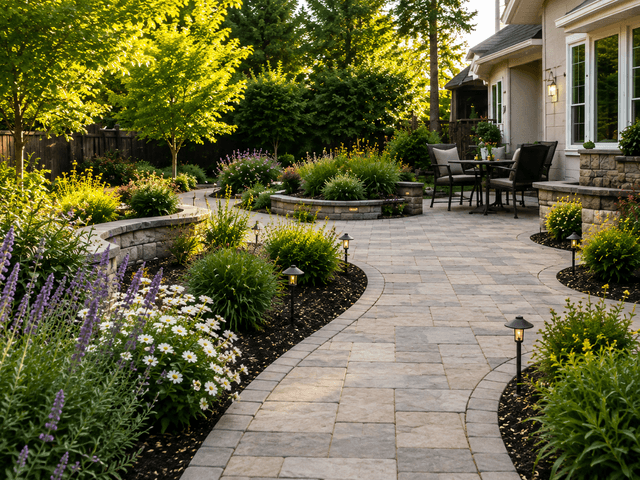
A great outdoor space isn't cheap, and pretending otherwise is a fast way to disappoint a homeowner. If you love your yard idea but the total price makes you flinch, you're in exactly the position most homeowners find themselves in — and there are practical ways to move forward without either overpaying, overextending, or ending up with a half-finished project that quietly stalls.
This piece is about how to pay for landscaping project work in the real world: how to phase a big build so you can start now and finish over time, the financing options homeowners actually use (with honest trade-offs, no product pitches), and how to think about ROI without falling for either extreme. It isn't personal financial advice; talk to a qualified financial professional before signing anything. For the full picture of what a good build includes, see our landscape design services, and read on.
Start With a Master Plan (Even If You Build in Pieces)
The single biggest money-saver on a big yard project isn't a discount code - it's a master plan. Deciding on the whole design first, then building in phases against that plan, is what separates a coherent yard from a stitched-together one that costs more in the end.
Why the master plan matters:
- It puts things underground in the right order (irrigation, drainage, conduits, sub-bases) before you pour hardscape over them.
- It sequences elements so phase two doesn't tear up phase one to be installed.
- It prevents the classic mistake of buying beautiful plants for a spot that later becomes the patio.
- It lets you compare bids on the same design rather than three different visions.
A proper design process delivers the master plan and the phased build sequence together. Skip this step and every subsequent decision costs you more than it should. Our landscape design ideas show what a coherent final vision can look like.
How to Phase a Big Yard Project Smartly
Phased landscaping is the single most useful strategy for homeowners who want a full transformation without paying for it all at once. Done well, each phase leaves the yard usable and looking finished for its size, while setting up the next phase to snap into place.
A sensible phasing sequence for most SoCal yards:
- Phase 1: Foundation and infrastructure. Grading, drainage, and irrigation - the invisible work that determines whether everything else lasts. Cutting corners here is what causes the expensive redos.
- Phase 2: Hardscape backbone. Main walkway, patio or gathering area, retaining walls, and any structural elements. These anchor the design and are the hardest to add later without disruption.
- Phase 3: Planting and soft landscape. Trees first (they need the longest lead time to mature), then shrubs, then groundcover and finishing plants. Planting is naturally the phase most homeowners can spread over a season or two.
- Phase 4: Amenities and lifestyle features. Outdoor kitchen, fire feature, water feature, pergola, expanded lighting. Great to have, and easy to add against a finished backbone.
- Phase 5: Refinements. Layered lighting, accent planting, seasonal color, artwork, seating pieces.
A few practical rules make phasing work rather than drag. Group by trade to avoid mobilizing the same crew twice. Front-load anything that's disruptive to build later (drainage under a patio, conduits under a walkway). Choose a stopping point in each phase where the yard looks intentional even if the next phase never happens. And insist on a plan that documents exactly what phase two and three will look like, so future work matches. Big remodels benefit especially from this discipline - see our overview of backyard remodel planning.
Low-Cost Design Moves That Punch Above Their Weight
Not every impressive yard feature has to be expensive. A few high-leverage moves deliver a lot of visual and functional value per dollar - useful whether you're phasing, working on a tighter budget, or just trying to keep phase one honest.
- Focus the budget on what you see first. The front walkway, entry, and immediate view from the house create most of the impression - invest there.
- Pick a drought-tolerant palette. Living low-water designs cut lifetime water and maintenance costs and, done well, look intentional and modern. Explore drought-tolerant plants.
- Buy smaller, plant more. Smaller plants establish quickly, cost less each, and let you mass them for a designed look rather than plopping a few oversized specimens.
- Choose materials for lifecycle cost, not just sticker price. Quality pavers and stone last decades; the cheapest alternative often gets replaced twice in the same window.
- Do the low-tech work well. Mulch, clean edges, and consistent proportions make the whole yard read as designed for very little money.
Financing Options Homeowners Actually Use
Beyond phasing, there are financing options - some good, some risky - that homeowners commonly consider for landscaping. This is a survey, not a recommendation; the right choice depends on your credit, home equity, tax situation, and risk tolerance. Talk to a qualified financial professional before you sign anything.
Common landscaping financing paths, with honest trade-offs:
- Cash and savings. Simplest, cheapest total cost, and the anchor of most phased builds. Trade-off: pace is limited by what you can save, so phasing matters even more.
- Home equity loan or line of credit (HELOC). Typically the lowest-rate way to borrow for home improvement because it's secured by your home. Interest may be tax-deductible when used for home improvement, but rules vary; verify with your tax advisor. Trade-off: your home is collateral, so a default is serious.
- Cash-out refinance. Rolls the project into a new mortgage. Useful in low-rate environments; can be a bad trade in high-rate ones. Trade-off: closing costs and, if you refinance out of a favorable existing rate, potentially a much bigger long-term expense than the project itself.
- Personal loan (unsecured). Faster and simpler than a home-equity product, no collateral. Trade-off: higher interest rates and shorter payoff terms.
- Contractor financing or 'landscaping payment plan'. Some builds are financed through third-party lending arranged by the contractor - occasionally with promotional zero-interest windows. Trade-off: read the fine print carefully. Deferred-interest offers can charge back-dated interest if not paid in full by the deadline, and the underlying rate can be high.
- Credit cards. Convenient for small amounts, deposits, or 0% intro windows if you can guarantee full payoff within the promotional period. Trade-off: post-promo rates are among the highest available, so a slipped timeline is expensive.
- Rebates and incentives. Not financing, but worth stacking. Water agencies, cities, and utilities often run turf-replacement, drought-tolerant, or graywater rebates. Availability changes, so check current programs for your address.
Common-sense principles that apply to all of them:
- Compare the total cost of the money (interest, fees, closing costs) - not just the monthly payment.
- Line the payoff timeline up with how long you plan to own the home - carrying long-term debt on a short-hold house rarely pencils out.
- Leave a real cushion; landscaping runs into surprises (soil, drainage, code) and living with a completed project you can't afford to enjoy defeats the point.
- Get any contractor-arranged financing in writing, with the true APR, all fees, deferred-interest terms, and prepayment rules.
Avoiding Regret: What Actually Causes It
Post-project regret has a pattern, and it's rarely about spending too much - it's about spending it wrong. The recurring themes:
- Skipping design to save money, then spending more on redos. The plants planted in the wrong spot, the patio poured where the future outdoor kitchen was supposed to go.
- Cutting the invisible work. Drainage, sub-base, and irrigation are where cheap bids skim - and where the yard fails within a few years.
- Financing more than you'll enjoy. A beautiful yard that keeps you up at night is not a beautiful yard.
- Overbuilding for the neighborhood. A yard priced far above what the block supports rarely returns the extra money on sale.
- Under-investing where it counts. Skimping on the front entry or lighting is almost always regretted - both are outsized value for the cost.
Contract structure matters too: any changes mid-build should go through a written change-order process so the price doesn't drift unexpectedly. Comparing bids on the same scope - not just headline numbers - is the biggest single defense against regret.
Is Landscaping a Good Investment?
So, is landscaping a good investment? The honest, non-hyped answer: it depends on what you build, how well it's built, and your local market.
The reality:
- A designed, well-executed landscape typically recovers a modest share of its cost at resale - not multiples of the spend. Homeowners who expect landscaping to "pay for itself" the way some kitchen or bathroom remodels sometimes do are usually disappointed.
- The real return shows up in curb appeal (helps a house sell faster and closer to asking), quality of life (usable outdoor rooms), and running-cost savings (water, maintenance) - not headline appraisal jumps.
- Sober, broad-appeal design outperforms over-personalized statement pieces at resale.
- Under-invested basics - a tired front entry, missing lighting, a sad patio - can drag on a sale price more than a well-planned upgrade would return.
If you plan to live in the home for years, judge the investment as much on quality of life as on resale math - it usually pencils out fine on that basis. If you're likely to sell soon, invest for broad appeal, not personal taste. Our related piece on whether a drought-tolerant yard hurts resale digs into the design-vs-personalization side of this.
Get a Plan You Can Actually Afford to Build
Nothing quiets money anxiety like a clear plan. Grab our free Phased Yard Budget Planner - a worksheet that walks you through phase order, the invisible-work check, the low-cost moves, the financing trade-offs, and a broad-appeal versus personal-taste sanity check - so you go into a design consult knowing what you want, what it takes, and what you're willing to spend now vs. later.
Design Now, Build the Way That Fits Your Budget
The best way to protect your money on a big yard project is a real design and a smart phasing sequence - even if you can only afford phase one today. Book a free phased-plan consult and we'll walk your yard, sketch a master plan, and lay out a phase sequence that lets you start now, finish over time, and never have to redo earlier work. Call +1 (818) 303-1570 or contact us to schedule, and explore our full landscape design services.
Frequently Asked Questions
How do people pay for a big landscaping project?
The most common answers to how to pay for landscaping project work are a mix of cash and savings, a home-equity loan or HELOC (typically the lowest-rate borrowing because it's secured by the home), a cash-out refinance in low-rate environments, personal loans, contractor-arranged landscaping financing (sometimes with promotional zero-interest windows), and, for smaller amounts, credit cards used carefully. Stack any available water-agency or city rebates on top. Choose based on total cost of the money and your hold period, and talk to a financial professional before signing anything.
What is phased landscaping and how does it work?
Phased landscaping means designing the whole yard once, then building it in a planned sequence over months or years - not designing piecemeal. A sensible sequence is: foundation and infrastructure (grading, drainage, irrigation) first, hardscape backbone second, planting third, amenities and lifestyle features fourth, refinements last. Each phase leaves the yard usable and looking finished, and sets up the next phase to install without tearing up earlier work. The master plan is what makes it work.
How can I do a backyard on a budget without regretting it later?
Start with a master plan even if you can only build part of it, then run a backyard on a budget plan against it: put the money on what you see first (front walkway and entry), pick a drought-tolerant palette to cut lifetime costs, buy smaller plants and mass them, choose materials on lifecycle cost, and don't skip the invisible work (drainage, sub-base, irrigation). Cutting design or infrastructure to save money is where budget yards go wrong.
Is a landscaping payment plan a good idea?
A landscaping payment plan through contractor-arranged financing can be genuinely useful, especially with a true zero-interest promotional window. The catches are in the fine print: deferred-interest promotions can back-date all the interest if the balance isn't paid in full by the deadline, underlying APRs after the promo can be high, and fees vary. Get the true APR, all fees, deferred-interest terms, and prepayment rules in writing before you sign, and only commit if the payoff timeline is realistic.
Is landscaping a good investment for home value?
It depends on what you build, how well it's built, and your market. A designed, well-executed landscape typically recovers a modest share of its cost at resale rather than paying for itself. The real return shows up in curb appeal (faster sales, closer to asking), quality of life, and lower running costs (water, maintenance). Broad-appeal, sober design outperforms over-personalized statement work at resale. If you'll live there for years, judge on quality of life; if you'll sell soon, invest for broad appeal. Book a free phased-plan consult at +1 (818) 303-1570.
Thinking about a new outdoor space?
We’d love to hear your ideas. Let’s explore what’s possible—no pressure, just a friendly conversation.
Give us a call:
+1 (818) 303-1570
Frequently Asked Question
IS THERE A FEE FOR THE INITIAL CONSULTATION?
No, we do not charge for the initial site visit. This is your opportunity to share your ideas and vision for your landscape project, start the process of design by discussing initial ideas, pin-point any landscape problems you are having, and get a scope of the overall size of scope. Plus this gives you the opportunity to meet us, learn more about our company, and ask questions.