
OUR MISSION IS TO TAILOR FOR EACH CLIENT A BEAUTIFUL, FUNCTIONAL AND ENDURING OUTDOOR ENVIRONMENT THAT WILL PROVIDE A PLACE OF SERENITY FOR FRIENDS AND FAMILY TO APPRECIATE FOR YEARS TO COME.

BuildCal Landscape Landscape Maintenance & Drainage Article
Getting Your SoCal Yard Ready for Winter Rains: Drainage, Slopes, and What to Fix First
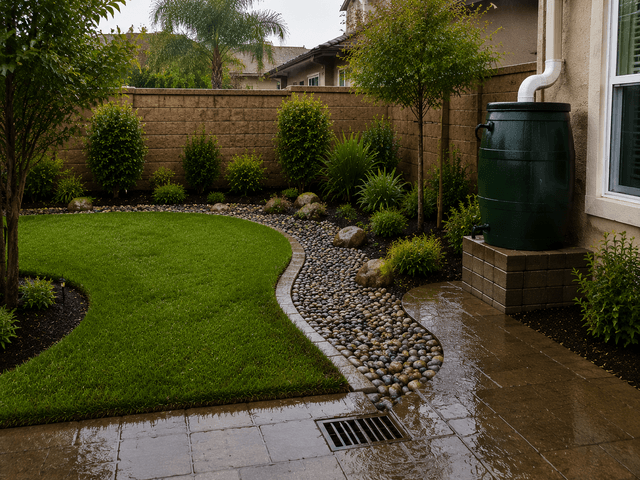
Southern California can go months without meaningful rain, which is why the first big storm catches so many yards unprepared — drains clogged with dry leaves, downspouts pointed at the foundation, bare slopes ready to wash, and irrigation still running on a summer schedule. The time to prepare yard for winter rain SoCal storms is before that first downpour, not while water is moving across the property. The most valuable pre-rain work is rarely dramatic: it means correcting where water travels, clearing the paths it needs, protecting exposed soil, and fixing small failures before they turn into erosion, flooding, or a foundation concern. This guide walks through the practical checklist — gutters and downspouts, drains, slopes, bare soil, irrigation, and hardscape — and flags when a problem is big enough to warrant a professional grading and drainage review rather than a weekend fix. A short assessment now can prevent an expensive repair later.
When Should You Prepare a Yard for Winter Rain?
Begin as soon as seasonal forecasts and local conditions indicate that heavier rain is approaching, not after water is already moving through the property. Clear and test drains, inspect gutters and downspouts, repair irrigation leaks, stabilize bare soil, check slopes and retaining edges, and remove debris from flow paths. If water already reaches the home, neighboring property, driveway, or public walkway, prioritize a professional drainage and grading review.
What Does Rainy Season Yard Prep Involve?
Effective rainy season yard prep is a short inspection followed by targeted maintenance or construction. Walk the property during or immediately after irrigation and, if possible, after a light rain. Mark puddles, muddy areas, eroded soil, overflowing planters, clogged inlets, saturated planting beds, and any place where water approaches the house. Understanding why grading and runoff cause standing water helps you read those clues correctly rather than treating every wet spot the same way.
Remove leaves and debris from drains, channels, gutters, downspout outlets, and low points. Check whether irrigation is still running on a summer schedule, whether spray reaches walls or paving, and whether hoses or stored materials block the normal drainage route. Trim vegetation that hides a drain or makes a slope impossible to inspect.
How Do You Complete Storm Drainage Prep?
Storm drainage prep begins with identifying the source and direction of runoff. Trace water from roofs, gutters, downspouts, slopes, neighboring grades, driveways, patios, irrigation, and upper planting areas. Look for staining, displaced mulch, exposed roots, rills in soil, standing water, and sediment at the bottom of a slope.
Some properties need a simple cleaning or downspout extension. Others may need regrading, a channel drain, area drains, a French drain, permeable hardscape, a swale, or a retaining-wall drainage improvement. The right solution depends on soil, grade, flow volume, discharge location, utilities, property lines, and local requirements. A drain should move water to an appropriate outlet, not simply transfer the problem to a foundation or neighbor.
BuildCal's guide to fixing drainage problems in a Southern California yard provides related guidance for diagnosing wet areas and choosing between cleaning, regrading, and a full drainage system before the rain arrives.
What Is the Best Gutter Downspout Drainage Plan?
Gutter downspout drainage should carry roof water away from foundations, paths, slopes, and areas that cannot absorb concentrated flow. Inspect gutters for leaves, sediment, sagging sections, and disconnected joints. Confirm that downspouts discharge where water can move safely and that extensions have not collapsed, separated, or become buried in soil.
How Should You Handle Bare Soil and Slopes Before Rain?
Bare soil is vulnerable to displacement when water moves across it. Before a storm, remove loose debris, repair small rills, protect exposed soil with appropriate mulch or temporary erosion-control material, and check whether water is being concentrated by a roof, wall, or paved surface. Planting can help over time, but newly installed plants may need protection and cannot instantly stabilize every slope.
Hillside rain prep requires extra attention to slope length, soil type, drainage outlets, vegetation, access, and adjacent structures. Avoid placing loose decorative rock or unanchored materials where runoff can carry them downhill. Do not cut into a slope or add soil at its top without understanding how the change affects stability and drainage. Where a retaining wall is involved, recognizing early signs a wall is failing before the season starts can prevent a storm from turning a small crack into a collapse.
What to Check Before You Start Pre-Rain Yard Work
- Inspect roof drainage: Clean gutters, check downspouts, and confirm that outlets do not discharge toward the foundation or a slope.
- Test drains: Remove debris from grates, channels, inlets, and catch basins and verify that water has a clear outlet.
- Walk every slope: Look for cracks, rills, exposed roots, leaning walls, loose soil, sediment, and concentrated runoff.
- Protect bare soil: Repair eroded areas and use appropriate temporary or permanent stabilization for the site.
- Adjust irrigation: Repair leaks, reduce overspray, and suspend watering when soil is already wet or rain is expected.
- Clear flow paths: Move leaves, mulch, furniture, bins, hoses, and stored materials away from drains and low points.
- Check hardscape: Look for settled pavers, cracked concrete, open joints, and water pooling on a patio or moving toward doors.
- Confirm approvals: Check city, utility, property-line, drainage, wall, and HOA requirements before construction.
Which Winter-Rain Fix Fits the Property?
| Project type | Typical scope of work | Permit or HOA approval usually required? | Key considerations |
|---|---|---|---|
| Routine pre-rain cleanup | Clear gutters, drains, channels, debris, leaves, and blocked flow paths; adjust irrigation | Usually not for maintenance, but confirm HOA rules for visible changes | Fastest response for small problems; does not correct bad grade or undersized drainage |
| Downspout correction | Repair gutters, extend outlets, add splash control, or connect roof flow to an appropriate drainage route | Varies with buried lines, discharge, property, and local requirements | Keep concentrated roof water away from foundations, slopes, paths, and neighbors |
| Yard drainage improvement | Evaluate grade and install or modify drains, channels, swales, permeable surfaces, or outlets | More likely when grading, discharge, structures, or property conditions change | Design the source, capacity, route, outlet, access, and maintenance together |
| Hillside stabilization | Repair erosion, manage runoff, add planting or erosion control, and consider steps or retaining work | Depends on grade, walls, drainage, setbacks, property lines, and HOA rules | Cracks, leaning walls, undercut soil, and fast runoff warrant prompt review |
| Hardscape repair | Reset pavers, repair edges, correct transitions, improve surface drainage, or replace damaged sections | Depends on demolition, grade, drainage, structures, and HOA requirements | Do not use a new finish to conceal settlement or water moving toward the house |
What Mistakes Make Winter Rain Damage More Likely?
The most common mistake is waiting until a major storm is already forecast to investigate a problem. Contractors, materials, access, and approvals may be harder to coordinate during wet weather. Another mistake is clearing the visible drain while ignoring the source of concentrated water or the outlet beyond the property.
How Do You Choose a Drainage Contractor in Glendale?
Choose a licensed landscape and hardscape contractor who investigates the whole water path rather than selling one standard drain. Ask whether the proposal addresses roof runoff, soil, grade, slopes, retaining elements, patio surfaces, irrigation, discharge, access, maintenance, and restoration. Request comparable project documentation, itemized pricing, a realistic timeline, and clarity about city, utility, and HOA responsibilities.
BuildCal Landscape has served Glendale, Los Angeles, and surrounding Southern California communities since 2012. The founder has a bachelor's degree in landscape architecture from Cal Poly Pomona and prior project-management experience. Final scope and pricing are confirmed after a consultation or site visit, with optional landscape maintenance after installation.
How BuildCal Landscape Helps With Pre-Rain Yard Preparation
BuildCal can coordinate drainage, grading, downspouts, hardscape, planting, irrigation, retaining elements, walkways, patios, and erosion-control improvements around the property's actual conditions. Its hardscape services can support drainage-related surfaces, steps, walls, edges, and other structural elements, and because water behind a wall is a common winter failure point, its guidance on retaining-wall drainage shows why that detail matters before the rain.
Steps to Start Your Pre-Rain Project With BuildCal Landscape
- Schedule a consultation or site visit. Describe where water collects, what has eroded, and which areas concern you before the next storm.
- Assess the site. Review soil, grade, slopes, gutters, downspouts, drains, irrigation, hardscape, walls, structures, utilities, and access.
- Develop a design concept and quote. Separate cleanup, temporary protection, repairs, drainage work, grading, planting, timeline, and pricing.
- Confirm approvals. Address drainage discharge, utility locating, grading, retaining-wall, property-line, and HOA requirements where needed.
- Install and maintain. Complete the work, review inspection and cleaning routines, and arrange an optional maintenance plan.
Frequently Asked Questions About Preparing a Yard for Winter Rain
When Should I Prepare My Yard for Winter Rain?
Start to prepare yard for winter rain SoCal conditions before the first major storm, ideally while the ground is accessible and contractors can safely inspect the site. Clean gutters and drains, test downspouts, adjust irrigation, inspect slopes, protect bare soil, and correct visible water paths. If runoff reaches the house, a neighboring property, or a public walkway, prioritize a professional assessment instead of waiting for damage.
What Is Included in Rainy Season Yard Prep?
Rainy season yard prep includes clearing gutters, downspouts, drains, channels, leaves, and debris; repairing irrigation leaks; checking patio and walkway grades; inspecting slopes and retaining edges; and protecting bare soil. It may also involve regrading, drainage improvements, erosion control, planting, or hardscape repair. The correct scope depends on where water originates, how it travels, where it exits, and how the property is maintained.
What Should Storm Drainage Prep Include?
Storm drainage prep should trace water from the roof, gutters, downspouts, slopes, irrigation, driveways, patios, and neighboring grades. It should identify low points, concentrated flow, clogged inlets, erosion, and the approved discharge route. Possible work includes cleaning, downspout corrections, regrading, channels, drains, swales, permeable surfaces, or outlet improvements. A single drain is not automatically the right answer for every wet area.
Is There a Sandbags Alternative for a Sloped Yard?
A sandbags alternative may provide temporary protection in some situations, but it should not block drains or redirect water toward a foundation, gate, driveway, or neighboring property. Recurring problems usually require a cause-based solution such as downspout correction, grading, drainage, soil stabilization, planting, or retaining work. Follow current local emergency guidance when severe weather is imminent and do not attempt unsafe hillside work during a storm.
What Does Hillside Rain Prep Involve?
Hillside rain prep involves inspecting slope cracks, exposed roots, rills, undercut soil, retaining elements, drainage outlets, vegetation, and adjacent structures. Protect exposed soil, keep runoff from concentrating, and avoid cutting into or loading the slope without a site-specific plan. Fast-moving water, leaning walls, new cracks, or significant soil movement warrant prompt professional review. Permanent solutions may involve drainage, grading, planting, erosion control, steps, or retaining work.
How Do I Improve Gutter Downspout Drainage?
To improve gutter downspout drainage, clean gutters, check for sagging or disconnected sections, inspect outlets, and confirm that roof water is not discharged beside the foundation or onto a slope. An extension, splash-control detail, buried line, or larger drainage system may be appropriate depending on grade and outlet conditions. Keep the discharge route legal, visible where practical, accessible for maintenance, and away from neighbors and walkways.
Start Your Pre-Rain Yard Project Today
If you need to prepare yard for winter rain SoCal storms in Glendale or the surrounding Los Angeles area, contact BuildCal Landscape for a pre-rain drainage assessment or call +1 (818) 303-1570. BuildCal can help you review slopes, soil, gutters, downspouts, drains, hardscape, planting, temporary protection, scope, and maintenance before the next storm arrives.
Thinking about a new outdoor space?
We’d love to hear your ideas. Let’s explore what’s possible—no pressure, just a friendly conversation.
Give us a call:
+1 (818) 303-1570
Frequently Asked Question
WHAT IF I ALREADY HAVE A DESIGN OR PLAN?
Not a problem at all. We will gladly review your design at the initial consultation and discuss the best way to proceed and achieve the very best finished product