
OUR MISSION IS TO TAILOR FOR EACH CLIENT A BEAUTIFUL, FUNCTIONAL AND ENDURING OUTDOOR ENVIRONMENT THAT WILL PROVIDE A PLACE OF SERENITY FOR FRIENDS AND FAMILY TO APPRECIATE FOR YEARS TO COME.

BuildCal Landscape Hardscaping / Retaining Walls Article
Retaining Wall Drainage: The 1 Detail That Prevents Wall Failure
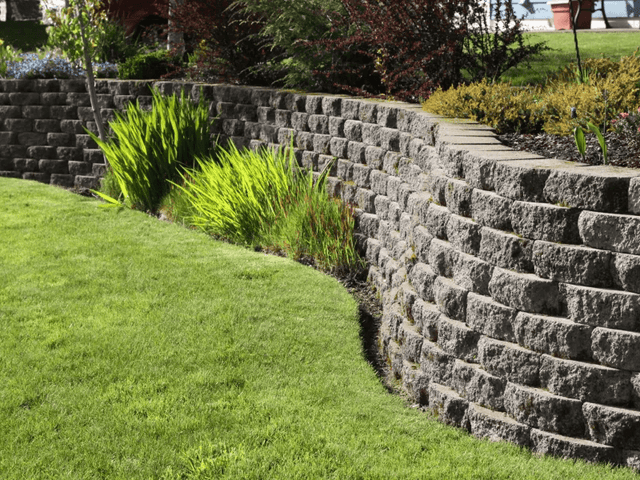
Retaining wall drainage isn’t an “extra.” In Glendale, CA and across Southern California, it’s the one detail that decides whether a retaining wall stays straight for years—or starts leaning after the first heavy season. Most retaining wall problems don’t start with the blocks. They start behind the wall, where water builds up, creates hydrostatic pressure, and pushes the wall outward until something gives.
If you’re seeing soil movement, damp spots, algae, or cracks near a sloped yard, this guide walks you through what proper retaining wall drainage looks like, how to inspect it, and when it’s time to get a professional site evaluation.
Why drainage is the 1 cause of retaining wall failure
Water is heavy. When it gets trapped behind a retaining wall, it doesn’t just “sit there.” It presses outward—especially on taller walls and hillside landscaping where water naturally moves downhill.
Drainage prevents failure by doing three things:
-
Relieves pressure behind the wall
-
Moves water away from the backfill zone
-
Stops soil from washing out and weakening the base
That’s why “good-looking” walls can still fail: if water can’t escape, the wall is fighting a constant load it wasn’t designed to resist.
What proper retaining wall drainage looks like
A correctly built retaining wall typically uses multiple drainage layers, not just one. Think of it as a system.
The core components
-
Free-draining gravel zone behind the wall
-
Filter fabric to keep fine soil from clogging the gravel
-
Perforated drain pipe (“French drain” style) at the base
-
Outlets to daylight (or a safe discharge point)
-
Surface grading above the wall to divert runoff away
-
Cap and top detail that reduces water entry from above
If any of these parts are missing—or clogged—water pressure increases and the risk of movement goes up.
Retaining Wall Drainage Inspection Checklist
Use this retaining wall inspection checklist to spot early warning signs before a small drainage issue becomes a rebuild.
A) Signs water is trapped behind the wall
-
White staining (efflorescence) on the wall face
-
Dark damp patches that don’t dry out
-
Green algae or moss along the base
-
Musty smell near the wall or in adjacent planting beds
B) Signs pressure is already pushing the wall
-
Wall is leaning, bowing, or bulging
-
Stair-step cracks in block joints or mortar lines
-
Gaps opening at the top cap or between blocks
-
Fence posts or railings above the wall look out of level
C) Drainage system red flags
-
No visible weep holes (where applicable), or they look clogged
-
Downspouts discharge behind the wall or into the slope
-
Water from sprinklers or Irrigation Systems runs toward the wall
-
The drain outlet (if present) is buried, blocked, or stains show it’s backing up
D) Soil and slope clues (slope stabilization issues)
-
Soil is washing out at the base
-
Mulch keeps disappearing downhill after watering
-
Small sink spots form behind the wall (voids from erosion)
-
Plants above the wall struggle due to overly wet roots
If you check 2–3 items in multiple sections above, drainage is likely the root issue—not the wall surface.
The 3 most common retaining wall drainage mistakes
1) “One drain pipe is enough”
A pipe helps only if water can reach it. Without a properly sized gravel zone and filter fabric, soil clogs the system.
2) No discharge path
A drain with no safe outlet becomes a storage tube. The system needs a clear way to move water away.
3) Surface water is ignored
Even with a perfect drain behind the wall, roof runoff or poorly graded patios can dump water right into the problem area. This is where grading and drainage planning becomes critical before any Hardscaping.
For project planning and sequencing, use this as a reference point: landscape construction planning basics.
What to do if you’re planning a new wall in Glendale, CA
Retaining walls should be designed with the full site in mind—especially on hillside landscaping lots where slopes, patios, and walkways all affect runoff.
Before installation:
-
Confirm where water naturally flows during storms
-
Map downspouts and yard drains
-
Identify low points where water pools
-
Choose the right wall type for slope stabilization and terraced landscaping
-
Confirm discharge route for drain pipe (and whether a sump is needed)
If the wall is part of a larger Hardscaping project, treat drainage as the first step—not the last. This page is the best starting point for scope alignment: Hardscaping service overview.
And if you’re comparing design approaches, this helps frame your options: hardscape design guidance for Southern California sites.
Proof-focused standards homeowners ask for
-
“We’ve been designing outdoor spaces since 2010 — over 14 years of hands-on work right here in Glendale and surrounding neighborhoods.”
-
“Our team includes designers and technicians certified by the American Society of Landscape Architects (ASLA) — every project we complete is documented with before-and-after photos.”
-
“We use trusted local materials — like California-native stone and drought-resistant plants — so your yard lasts longer and needs less maintenance.”
Why drainage also protects patios, walkways, and the yard below
A failing wall rarely fails alone. When drainage is wrong, you often see:
-
Water pooling on patios or path edges
-
Soft spots and settling near walkways
-
Yard flooding at the lower slope zone
If you’re seeing standing water elsewhere, these resources can help you connect the dots:
What makes the process different
“We’re the ONLY company in Glendale that offers:
→ A free, no-pressure personal meeting — we walk your yard, listen to you, and learn how you want to live in it
→ Custom designs for each home — no copied templates
→ Drought-resistant plants — so you save water and avoid constant upkeep
→ Guarantee on all work — we don’t just build, we make sure it lasts”
FAQ
I have a small yard… what works for me?
We design compact, low-maintenance yards with easy pathways, drought-tolerant plants, and soft lighting that creates a calm, welcoming feel. You won’t need to mow every week.
My yard is old and messy… can you fix it?
Yes. We specialize in reviving neglected yards — we remove weeds, rebuild paths, add new plants, and install smart irrigation. We turn a “jungle of weeds” into a peaceful retreat.
Can you install outdoor lighting?
Yes. We design lighting that highlights your favorite features — whether it’s your entrance, pool, or favorite tree. The lights are gentle, safe, and energy-efficient.
I want pathways or an outdoor patio?
Yes. We build walkways from natural stone and patios from heat-resistant pavers — all crafted by skilled hands, built to last without cracks or damage.
What makes you different from other companies?
We don’t just plant trees. We design a space where you can sit with your family, drink coffee, and relax. Every project starts with a personal meeting — we listen to you, see your space, and understand how you want to live in it.
When to call for a retaining wall drainage evaluation
Call for help if you see:
-
Leaning/bowing or stair-step cracking
-
Repeated pooling near the wall after watering
-
Soft ground or soil washout behind the wall
-
Downspouts draining into the slope zone
For a free site evaluation for retaining wall projects and drainage risk assessment in Glendale, CA, call +1 (818) 303-1570.
Thinking about a new outdoor space?
We’d love to hear your ideas. Let’s explore what’s possible—no pressure, just a friendly conversation.
Give us a call:
+1 (818) 303-1570
Frequently Asked Question
HOW DOES THE DESIGN PROCESS WORK?
While the process may vary depending on the designer, the client’s needs, and the complexity of the project, most residential design projects include the following:
Initial Consultation, This is a chance to meet the designer and review the requirements and objectives of the project. Many designers charge for this visit, so to get the most out of the experience, ask the designer the best way to prepare and be sure you understand exactly what will be covered at this meeting.
Concept Plan. After listening to your ideas and priorities, the designer analyzes the site’s character, strengths and problems, and then develops one or more alternative concept plans for review.
Master Plan. The final master plan represents the culmination of your choices with the designer, and typically includes a complete spatial layout for your outdoor living spaces and other hardscape or architectural concepts.
Planting Plan. This is a working drawing from which the garden will actually be planted, and includes botanical names, container sizes, specific plant locations, and planting instructions to the contractor.
Additional Plan Documents. Depending on the scoop of your project, your designer may also provide a lighting plan, specialized guidelines on planting or irrigation, or notes and sketches on design elements such as water features or furniture and accessories placement.
Installation Assistance Many landscape designers will assist you in soliciting and reviewing construction bids, including referring contractors appropriate for your project. Others may choose to provide drawings only. Designers often stay involved throughout the installation phase to advise on design modifications, material selections and purchase and placement of garden art and accessories.