
OUR MISSION IS TO TAILOR FOR EACH CLIENT A BEAUTIFUL, FUNCTIONAL AND ENDURING OUTDOOR ENVIRONMENT THAT WILL PROVIDE A PLACE OF SERENITY FOR FRIENDS AND FAMILY TO APPRECIATE FOR YEARS TO COME.

BuildCal Landscape Lawn & Garden Care Article
The Health Benefits of Gardening: Why You Should Start Today
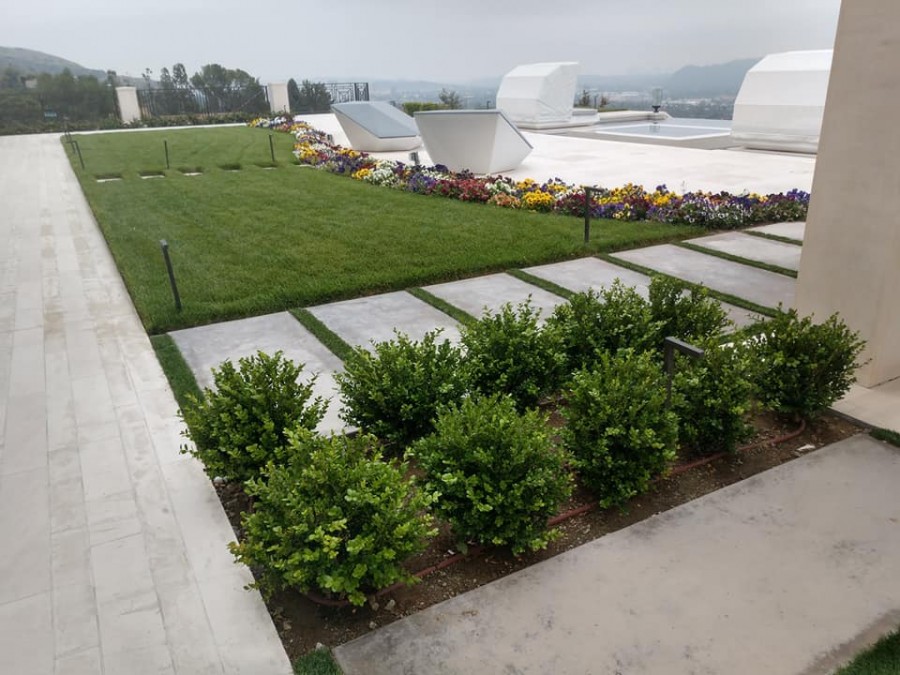
Gardening isn’t just about pretty borders—it’s a science-backed way to improve how you feel and function. From stronger hearts and muscles to calmer minds and better sleep, the health benefits of gardening show up across physical, mental, and social wellbeing. Below, you’ll find what the research says, plus simple steps to begin today.
Why gardening is good for your body (physical health)
Regular garden tasks—digging, raking, planting, pruning—count as moderate-intensity movement that supports cardiovascular health, muscular strength, flexibility, and balance. Global guidelines recommend 150–300 minutes of moderate activity weekly; gardening is a practical way to reach that target while you produce herbs, flowers, or food. PMC
Make it easier: Start with a 20–30 minute session, alternate muscle groups (upper/lower body), and include gentle warm-ups and cooldown stretches. For hot days, shift to morning or late afternoon and hydrate well.
Helpful deep-dives:
Why gardening is good for your mind (mental health)
Evidence links exposure to green spaces—and hands-on gardening in particular—to lower stress, anxiety, and depressive symptoms, and higher life satisfaction. Meta-analyses and field experiments show meaningful reductions in cortisol (the stress hormone) and improvements in mood after gardening sessions.
Try this:
-
Five minutes of “sensory noticing” in the garden (scents, textures, colors) before you start tasks.
-
Keep a simple mood/energy note before and after sessions to observe benefits over time.
Gardening therapy & wellness: what research says
Structured “gardening therapy” (horticultural therapy) programs show promising reductions in stress and improvements in mental wellbeing across diverse groups, from students to older adults. Reviews report better mood, reduced anxiety, and enhanced social connectedness when gardening is used as a purposeful wellness practice.
Design for wellness:
-
Prioritize quiet nooks, seated planters, and easy-access paths.
-
Mix fragrant herbs (lavender, mint) with textured foliage for sensory variety.
-
Add one “care ritual” (e.g., watering at sunset) to strengthen routine and recovery.
Helpful deep-dives:
Social & cognitive benefits you might not expect
Community and home gardens can nurture attention restoration, purposeful routine, and a sense of contribution. Green environments are consistently associated with better mental health outcomes at a population level, especially when access is regular and nearby. World Health Organization+1
Helpful deep-dives:
Getting started: a simple 4-week plan
Week 1 — Setup & small wins
-
Choose 3–5 easy edibles or hardy ornamentals.
-
Prepare one raised bed or 4–6 containers with quality soil.
Week 2 — Routine & rhythm
-
20–30 minutes, 3 days/week (water, prune, deadhead).
-
Add mulch to cut evaporation and weeds.
Week 3 — Comfort & flow
-
Add a simple sitting spot and path for easy access.
-
Consider an evening route with gentle illumination.
Week 4 — Enjoyment & expansion
-
Host a tea/harvest moment outdoors.
-
If space allows, shape a small patio edge or stepping-stone line: Pavers vs. Concrete — Expert Tips and California Design Insights.
FAQ — real questions beginners ask
I only have a balcony—can I still garden?
Yes. Use vertical trellises, railing boxes, and 3–4 large containers. Drip on a timer saves time and water. See: How to Design a Low-Maintenance Front Yard in Glendale (container and low-care plant ideas apply to balconies too).
I’m starting on a tight budget—what should I prioritize?
Soil quality, mulch, and 3–5 reliable plants. Add structure later.
I want to host friends outdoors. Where do I begin?
Define one seating area, add path lighting, and include durable surfaces that stay clean.
What plants are easiest for consistent success?
Start with tough, low-care picks and add seasonal color later.
Safety & accessibility tips
-
Use knee pads or a garden stool; keep tools within reach to reduce strain.
-
Rotate tasks (dig/plant/water) to avoid overuse injuries.
-
In heat, shorten sessions and use shade from trees, umbrellas, or pergolas; evening gardening pairs well with low-glare pathway lighting.
Thinking about a new outdoor space?
We’d love to hear your ideas. Let’s explore what’s possible—no pressure, just a friendly conversation.
Give us a call:
+1 (818) 303-1570
Frequently Asked Question
HOW DOES THE DESIGN PROCESS WORK?
While the process may vary depending on the designer, the client’s needs, and the complexity of the project, most residential design projects include the following:
Initial Consultation, This is a chance to meet the designer and review the requirements and objectives of the project. Many designers charge for this visit, so to get the most out of the experience, ask the designer the best way to prepare and be sure you understand exactly what will be covered at this meeting.
Concept Plan. After listening to your ideas and priorities, the designer analyzes the site’s character, strengths and problems, and then develops one or more alternative concept plans for review.
Master Plan. The final master plan represents the culmination of your choices with the designer, and typically includes a complete spatial layout for your outdoor living spaces and other hardscape or architectural concepts.
Planting Plan. This is a working drawing from which the garden will actually be planted, and includes botanical names, container sizes, specific plant locations, and planting instructions to the contractor.
Additional Plan Documents. Depending on the scoop of your project, your designer may also provide a lighting plan, specialized guidelines on planting or irrigation, or notes and sketches on design elements such as water features or furniture and accessories placement.
Installation Assistance Many landscape designers will assist you in soliciting and reviewing construction bids, including referring contractors appropriate for your project. Others may choose to provide drawings only. Designers often stay involved throughout the installation phase to advise on design modifications, material selections and purchase and placement of garden art and accessories.