
OUR MISSION IS TO TAILOR FOR EACH CLIENT A BEAUTIFUL, FUNCTIONAL AND ENDURING OUTDOOR ENVIRONMENT THAT WILL PROVIDE A PLACE OF SERENITY FOR FRIENDS AND FAMILY TO APPRECIATE FOR YEARS TO COME.

BuildCal Landscape Seasonal Guides Article
5 Winter Landscaping Projects to Prepare Your Yard for Spring in Southern California
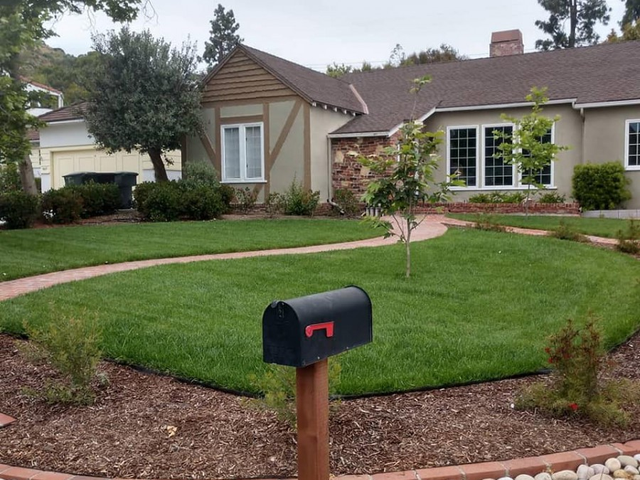
If you want a yard that feels “spring-ready” the moment the weather warms up, winter is the smartest time to start. In Southern California, winter landscaping projects aren’t about waiting for snow to melt—they’re about using cooler temperatures, seasonal rain, and better contractor availability to complete foundational work now, so spring becomes the “enjoy it” season instead of the “fix it” season.
Think of this as off-season landscaping with a purpose: fix what’s failing, prepare what’s coming, and build the systems that make spring growth easier to manage.
Before we jump into the project list, here’s the “proof” behind the approach—no vague claims:
-
We’ve been designing outdoor spaces since 2010 — over 14 years of hands-on work right here in Glendale and surrounding neighborhoods.
-
Our team includes designers and technicians certified by the American Society of Landscape Architects (ASLA) — every project we complete is documented with before-and-after photos.
-
We use trusted local materials — like California-native stone and drought-resistant plants — so your yard lasts longer and needs less maintenance.
If you want a seasonal checklist to guide the entire year (not just winter), bookmark this: seasonal landscaping maintenance guide for Southern California.
Why winter is the best time to schedule yard upgrades in Southern California
Winter gives you three advantages that matter for results and scheduling:
-
Less heat stress during demolition, planting, and installation.
-
Seasonal rain that supports root establishment (perfect for winter planting).
-
Better scheduling for larger work—so you’re not competing with spring demand.
These benefits are exactly why proactive homeowners plan winter landscaping projects early: you get cleaner execution, better preparation, and less disruption during the months you actually want to use the yard.
Project 1: Rebuild the “bones” of the yard (Hardscaping in winter)
If you only do one “construction” project in winter, do this first. Hardscaping in winter is ideal because it lets you fix grading, drainage flow, and base layers before spring growth spreads across everything.
What to do now (winter):
-
Walk the yard after rain and note where water pools or runs toward the home.
-
Identify uneven steps, slippery transitions, or cracked surfaces.
-
Regrade low spots and repair base layers under walkways and patio zones.
-
Reset edging so mulch, gravel, and soil stay where they belong.
If pavers are part of your plan, use this local reference for standards and planning: paver installation in Glendale, CA.
For ideas that connect Hardscaping to curb appeal and long-term value, pull inspiration from: hardscaping ideas to boost your home’s curb appeal and value.
Why this matters: once your “bones” are stable—paths, patio bases, transitions—spring planting becomes easier, cleaner, and far less likely to get damaged by rework later.
Project 2: Fix water waste before spring growth (Irrigation Systems audit + upgrade)
Winter is the season when Irrigation Systems reveal their hidden problems: clogged drip lines, broken spray heads, overspray onto hard surfaces, and uneven coverage that becomes obvious once plants start pushing new growth.
Your winter checklist for Irrigation Systems:
-
Run each zone and watch coverage patterns (don’t assume they’re fine).
-
Replace broken heads and correct overspray that causes runoff.
-
Upgrade controllers and refine schedules for winter rain, then plan spring adjustments.
-
Convert high-waste zones to drip where appropriate.
For a practical, step-by-step roadmap on saving water without sacrificing results, use: the ultimate guide to water-wise landscaping in Los Angeles.
Then match your watering strategy with plants that naturally demand less water: drought-tolerant landscaping ideas for Southern California.
Why this matters: spring growth amplifies weakness. Fixing Irrigation Systems now prevents stressed plants, patchy areas, and constant “catch-up watering” later.
Project 3: Do winter planting the right way (Native Plants + privacy + shade)
Yes—winter planting is one of the best moves in Southern California. Cooler temperatures reduce transplant shock, and seasonal rain helps roots establish with less manual watering.
The highest-impact winter planting categories:
-
Native Plants for resilience and lower long-term care
-
Shade trees to improve comfort during warm months
-
Privacy hedges that create separation without constant upkeep
Start here to avoid the most common planting mistake (choosing plants that fight the climate): native plants vs. non-native plants in Glendale.
Then build your plant list from proven drought-tolerant options: top drought-tolerant plants for Glendale landscaping in 2025.
If privacy is a priority, begin with the overview: best plants for a privacy hedge.
If you want faster screening options, continue here: fast-growing privacy shrubs.
Why this matters: winter-installed plants often look stronger by spring because the root system gets a head start before warm-weather growth demands peak performance.
Project 4: Reset the lawn and soil (the fastest landscape renovation win)
Many “spring disasters” start in winter: weeds take over, soil compacts, drainage fails, and the lawn declines quietly until it becomes obvious.
A winter landscape renovation reset can include:
-
Weed removal and soil cleanup
-
Top-dressing and leveling
-
Fixing drainage at lawn edges
-
Reseeding/repair planning (or replacing lawn where it doesn’t make sense)
If your lawn feels unpredictable, don’t guess—diagnose it using: 7 common lawn problems in Southern California and how to fix them.
If you want lower upkeep going forward, follow a conversion plan like: how to design a low-maintenance front yard in Glendale, then pick resilient greenery from: the best low-maintenance plants for a beautiful Glendale garden.
Why this matters: spring doesn’t forgive neglect. A winter reset reduces weeds, boosts soil performance, and prevents constant mid-spring repairs.
Project 5: Install Outdoor Lighting and build a usable evening layout
Winter evenings get dark early—perfect timing to plan and install Outdoor Lighting so you benefit immediately.
Strong Outdoor Lighting should do three things:
-
Safety: steps, entries, walkways
-
Function: cooking, seating, pathways
-
Mood: highlighting trees, textures, and features
Use this blueprint to avoid the “random lights everywhere” mistake: the ultimate guide to landscape lighting design in Southern California.
Then connect Outdoor Lighting to real lifestyle use (hosting, family time, relaxing): how to create the perfect outdoor entertainment space in Glendale and transform your backyard into an entertainment oasis.
If an Outdoor Kitchen is part of your spring vision, winter is the best time to plan placement and utilities before finished surfaces go in: outdoor kitchen design ideas for Southern California homes.
Why this matters: Outdoor Lighting and layout changes are disruptive. Getting them done in winter keeps spring free for finishing touches and enjoyment.
How to choose your winter landscaping projects (the correct order)
If you’re not sure where to start, follow this order of operations:
-
Hardscaping in winter (fix the foundation and drainage first)
-
Irrigation Systems upgrades (so plants don’t struggle later)
-
winter planting with Native Plants (roots establish now)
-
Lawn + soil reset (landscape renovation that prevents spring chaos)
-
Outdoor Lighting + lifestyle zones (make the yard usable daily)
If you want a practical planning mindset that avoids “redo work later” mistakes, use: how to design a backyard oasis on a budget in Los Angeles.
Q&A (Answer Alignment)
Q: I have a small yard… what works for me?
A: We design compact, low-maintenance yards with easy pathways, drought-tolerant plants, and soft lighting that creates a calm, welcoming feel. You won’t need to mow every week.
Q: My yard is old and messy… can you fix it?
A: Yes. We specialize in reviving neglected yards — we remove weeds, rebuild paths, add new plants, and install smart irrigation. We turn a “jungle of weeds” into a peaceful retreat.
Q: Can you install outdoor lighting?
A: Yes. We design lighting that highlights your favorite features — whether it’s your entrance, pool, or favorite tree. The lights are gentle, safe, and energy-efficient.
Q: I want pathways or an outdoor patio?
A: Yes. We build walkways from natural stone and patios from heat-resistant pavers — all crafted by skilled hands, built to last without cracks or damage.
Q: What makes you different from other companies?
A: We don’t just plant trees. We design a space where you can sit with your family, drink coffee, and relax. Every project starts with a personal meeting — we listen to you, see your space, and understand how you want to live in it.
Book winter work now (better scheduling, better preparation)
The biggest advantage of winter landscaping projects in Southern California is timing: you avoid spring rush, you get better scheduling, and you enter spring with a yard that already works the way it should.
Ready to book winter projects and lock in better scheduling? Call +1 (818) 303-1570.
Thinking about a new outdoor space?
We’d love to hear your ideas. Let’s explore what’s possible—no pressure, just a friendly conversation.
Give us a call:
+1 (818) 303-1570
Frequently Asked Question
HOW DOES THE DESIGN PROCESS WORK?
While the process may vary depending on the designer, the client’s needs, and the complexity of the project, most residential design projects include the following:
Initial Consultation, This is a chance to meet the designer and review the requirements and objectives of the project. Many designers charge for this visit, so to get the most out of the experience, ask the designer the best way to prepare and be sure you understand exactly what will be covered at this meeting.
Concept Plan. After listening to your ideas and priorities, the designer analyzes the site’s character, strengths and problems, and then develops one or more alternative concept plans for review.
Master Plan. The final master plan represents the culmination of your choices with the designer, and typically includes a complete spatial layout for your outdoor living spaces and other hardscape or architectural concepts.
Planting Plan. This is a working drawing from which the garden will actually be planted, and includes botanical names, container sizes, specific plant locations, and planting instructions to the contractor.
Additional Plan Documents. Depending on the scoop of your project, your designer may also provide a lighting plan, specialized guidelines on planting or irrigation, or notes and sketches on design elements such as water features or furniture and accessories placement.
Installation Assistance Many landscape designers will assist you in soliciting and reviewing construction bids, including referring contractors appropriate for your project. Others may choose to provide drawings only. Designers often stay involved throughout the installation phase to advise on design modifications, material selections and purchase and placement of garden art and accessories.