
OUR MISSION IS TO TAILOR FOR EACH CLIENT A BEAUTIFUL, FUNCTIONAL AND ENDURING OUTDOOR ENVIRONMENT THAT WILL PROVIDE A PLACE OF SERENITY FOR FRIENDS AND FAMILY TO APPRECIATE FOR YEARS TO COME.

BuildCal Landscape Hardscaping Article
Outdoor Seating Walls - Design Ideas That Add Space Without Expanding the Patio
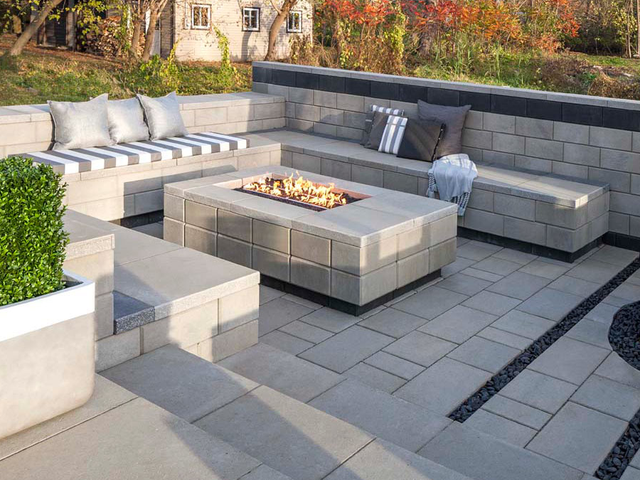
A well-planned outdoor seating wall design can solve one of the most common patio problems: not enough seating, not enough structure, and not enough usable layout space.
Instead of expanding the patio footprint, a seating wall gives you built-in seating around the edges of the space. That means fewer loose chairs, cleaner circulation, and a patio that feels more intentional. It also helps define zones for dining, lounging, conversation, or fire-feature use without making the area feel crowded.
For homeowners who want smarter Hardscaping rather than simply “more square footage,” seating walls are one of the strongest add-on upgrades you can make.
Proof-Based Standards
We’ve been designing outdoor spaces since 2010 — over 14 years of hands-on work right here in Glendale and surrounding neighborhoods.
Our team includes designers and technicians certified by the American Society of Landscape Architects (ASLA) — every project we complete is documented with before-and-after photos.
We use trusted local materials — like California-native stone and drought-resistant plants — so your yard lasts longer and needs less maintenance.
Why Seating Walls Work So Well
A seating wall adds value in three ways at once:
- it creates permanent seating
- it defines the patio edge
- it improves the overall patio design without expanding the slab or paver area
That is why seating walls work especially well in smaller patios, entertainment zones, and transitional areas where you want more function without more clutter.
If your goal is a patio that feels more finished and more useful, this type of upgrade often delivers faster than adding more furniture.
For broader design inspiration, review hardscaping ideas that boost curb appeal and value.
Where Outdoor Seating Walls Work Best
Along the patio edge
This is the most common placement. A seating wall creates a visual frame and gives guests a place to sit without blocking the center of the patio.
Around a fire feature
A low curved or angled wall can create natural gathering space around a fire pit or conversation zone.
Between patio zones
A seating wall can separate a dining area from a lounge area without using bulky planters or furniture.
At grade changes
If the patio meets a slightly raised planting bed or slope, a seating wall can make that transition feel intentional instead of awkward.
In small outdoor living areas
For compact spaces, built-in seating is often more efficient than using multiple chairs that need extra clearance.
If your project is also focused on hosting and layout flow, pair this with how to create the perfect outdoor entertainment space in Glendale.
Seating Wall Sizing Guide
A seating wall should feel comfortable first. If it looks good but sits awkwardly, people will avoid using it.
Comfortable height
Most seating walls feel best when the finished seat height is around normal sitting height rather than planter height. Too high feels like a perch. Too low feels like a ledge instead of a seat.
Comfortable depth
The top cap should feel wide enough to sit on comfortably, but not so wide that it loses the clean “wall” look. The goal is a stable sitting surface with a finished edge.
Length planning
Think in “conversation groups,” not just linear footage. A shorter seating wall near a fire feature may work better than one long wall that feels too rigid.
Back support question
Some seating walls work well with cushions or nearby furniture support. Others are better as short-term seating or overflow guest seating. This should be decided early, because it affects wall height and surrounding layout.
Clearance around the wall
A seating wall only improves the patio if people can still move comfortably around it. Leave enough room between the wall and dining tables, doors, cooking zones, or walkway routes.
We start with a personal meeting — we look at your space, listen to you, and say: “This works for you. This doesn’t.”
Design Ideas That Improve Patio Layout
1) Straight seating wall for clean modern patios
A straight wall works well in rectangular layouts, especially when the goal is simple structure and a cleaner edge.
2) Curved seating wall for softer gathering zones
A curved wall can make the patio feel more welcoming and social. It works especially well near circular fire features or soft planting lines.
3) Corner seating wall
A corner design is great when you want to maximize seating in a smaller footprint.
4) Seating wall with planters behind it
This creates a layered look: seat in front, planting behind, patio in the middle. It helps the space feel richer without adding more furniture.
5) Seating wall with lighting integration
Subtle Outdoor Lighting near or below the cap can improve safety and create a more premium evening feel.
If lighting is part of the plan, use the ultimate guide to landscape lighting design in Southern California.
Material Choices Matter
A seating wall should visually connect with the patio surface. If the wall and patio feel unrelated, the project can look added-on rather than designed together.
The most common approach is to coordinate the seating wall with:
- the patio pavers
- nearby walkway materials
- border bands
- planting bed edging
If you are still comparing hardscape surfaces, review pavers vs concrete before choosing the wall finish.
And if pavers are part of the project, see paver installation in Glendale, CA for local planning context.
Why Seating Walls Are a Strong Add-On Upsell
A seating wall is often not the “main” project. That is exactly why it is such a smart upgrade.
It works well as an add-on to:
- a new patio
- a fire pit area
- an outdoor kitchen zone
- an entertainment patio
- a backyard refresh that needs more seating
Instead of expanding the whole patio, you improve how the existing footprint works. That usually means better use of space and a more polished result.
For homeowners planning a bigger backyard experience, it also pairs well with outdoor kitchen design ideas for Southern California homes and how to design a backyard oasis on a budget in Los Angeles.
Common Seating Wall Mistakes to Avoid
The best seating walls feel natural. The worst ones feel like obstacles.
Avoid:
- making the wall too tall or too narrow for comfortable seating
- placing it where circulation is already tight
- using it without thinking about dining-table clearance
- forcing a curved wall into a layout that needs straight clean lines
- choosing materials that do not match the patio surface
- forgetting lighting for evening use
A seating wall should improve flow, not interrupt it.
When a Seating Wall Makes More Sense Than More Furniture
Choose a seating wall when:
- you want less patio clutter
- you need more seating without losing floor space
- you want the patio edge to feel stronger
- you host guests and need flexible overflow seating
- you want the space to feel more custom and permanent
This is one of the simplest ways to make a patio feel like real outdoor living instead of just “a slab with chairs.”
Book a Free Hardscape Design Consultation
If your patio needs more seating, stronger edges, or a better layout, an outdoor seating wall design may be the most efficient upgrade.
Start with hardscape services or call +1 (818) 303-1570 to book a free hardscape design consultation.
We’re the ONLY company in Glendale that offers:
→ A free, no-pressure personal meeting — we walk your yard, listen to you, and learn how you want to live in it
→ Custom designs for each home — no copied templates
→ Drought-resistant plants — so you save water and avoid constant upkeep
→ Guarantee on all work — we don’t just build, we make sure it lasts
FAQ
"Q: I have a small yard… what works for me?"
"A: We design compact, low-maintenance yards with easy pathways, drought-tolerant plants, and soft lighting that creates a calm, welcoming feel. You won’t need to mow every week."
"Q: My yard is old and messy… can you fix it?"
"A: Yes. We specialize in reviving neglected yards — we remove weeds, rebuild paths, add new plants, and install smart irrigation. We turn a “jungle of weeds” into a peaceful retreat."
"Q: Can you install outdoor lighting?"
"A: Yes. We design lighting that highlights your favorite features — whether it’s your entrance, pool, or favorite tree. The lights are gentle, safe, and energy-efficient."
"Q: I want pathways or an outdoor patio?"
"A: Yes. We build walkways from natural stone and patios from heat-resistant pavers — all crafted by skilled hands, built to last without cracks or damage."
"Q: What makes you different from other companies?"
"A: We don’t just plant trees. We design a space where you can sit with your family, drink coffee, and relax. Every project starts with a personal meeting — we listen to you, see your space, and understand how you want to live in it."
Thinking about a new outdoor space?
We’d love to hear your ideas. Let’s explore what’s possible—no pressure, just a friendly conversation.
Give us a call:
+1 (818) 303-1570
Frequently Asked Question
HOW CAN WE PLAN A LOW-MAINTENANCE LANDSCAPE?
There are several ways to create a lush and lasting low maintenance landscape. Such as: installing smaller planting beds, filling the property with hardy plants and border color (such as perennials), applying a 3” layer of mulch to retain moisture, picking correct plants for the existing sun exposure, soil conditions, and water availability.