
OUR MISSION IS TO TAILOR FOR EACH CLIENT A BEAUTIFUL, FUNCTIONAL AND ENDURING OUTDOOR ENVIRONMENT THAT WILL PROVIDE A PLACE OF SERENITY FOR FRIENDS AND FAMILY TO APPRECIATE FOR YEARS TO COME.

BuildCal Landscape Hardscaping Article
Hardscape Permits in Glendale: What Needs One and Why
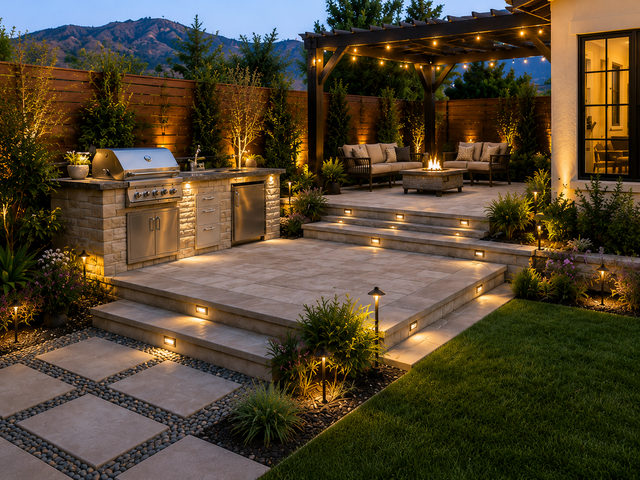
Permits are the part of a hardscaping project most homeowners (and, frankly, some contractors) would rather not think about. But getting them right protects you on three fronts: safety, resale value, and avoiding stop-work orders or fines down the road. Understanding hardscape permits Glendale homeowners encounter — what needs one, what doesn't, and why — turns a confusing step into a straightforward one.
This guide explains, in plain terms, which projects typically require a permit in Glendale, CA, how the process works, the retaining-wall thresholds that trigger engineering, how setbacks affect your plans, and how a contractor can manage all of it for you. Rules vary and change, so always confirm specifics with the City of Glendale — but here's the clear overview. For the bigger picture, explore our hardscaping services.
What Needs a Permit
As a general rule, permits apply to work that affects safety, structure, drainage, or utilities. Lower-impact, at-grade improvements often don't — but always verify, since local rules and project specifics matter.
Projects that commonly require a permit:
-
Retaining walls above a certain height, or walls holding back a slope or load.
- Attached structures such as patio covers and some pergolas — see permit requirements for pergolas, decks, and patio covers.
- Significant grading or changes to drainage on a property, especially on slopes.
- Pool enclosures and any new gas, electrical, or plumbing runs (for example, to an outdoor kitchen or lighting).
Projects that often do NOT require a building permit (but may still face drainage or zoning review):
- A standard ground-level paver patio or walkway laid at grade.
- Low garden or planter walls below the permit threshold, and planting or mulch work.
This is where the patio permit Glendale question usually lands: a typical at-grade paver patio generally doesn't need a building permit, but adding impervious surface can trigger drainage review, so it's worth confirming. The broader Glendale building permit landscaping picture depends on scope — a planting refresh is very different from regrading a hillside.
Glendale Permit Process
When a permit is required, the process follows a predictable path:
-
Prepare plans and submit a permit application with the project details.
- Plan review by the city, which may request revisions or engineering.
- Permit issued once plans are approved.
- Inspections at key stages during construction.
- Final sign-off confirming the work meets code.
Most hardscape permitting in Glendale routes through the City of Glendale building and safety division within the Community Development Department, while some hillside or boundary properties fall under Los Angeles County Public Works. Timelines vary with workload and project complexity. Building this step into the schedule from the start — as we describe in what a hardscape contractor should include — keeps the project moving.
Retaining-Wall Thresholds & Engineering
Retaining walls are the most common trigger for a permit, which is why the retaining wall permit question comes up so often. A widely used standard is that a retaining wall taller than about four feet — measured from the bottom of the footing to the top of the wall — requires a permit and an engineered design. Confirm the exact threshold with the city, since the measurement method and local rules matter.
Two important nuances: a wall that retains a surcharge — a slope, driveway, or other load above it — may require a permit and engineering at a lower height than a freestanding wall, and tiered or stacked walls can be regulated as a taller combined wall depending on spacing. Hillside projects may also need a soils or geotechnical report. In every case, the drainage behind the wall is what determines whether it lasts, as we explain in retaining wall drainage. Engineering and drainage aren't red tape here — they're what keep a wall from failing.
Setbacks
Even when a structure is permitted, where you can place it is governed by setbacks and zoning. These rules protect sight lines, drainage, and neighboring properties.
- Property-line setbacks dictate how close walls, structures, and some features can sit to boundaries.
- Easements may restrict building over utility or access corridors entirely.
- Corner lots often have sight-visibility triangles near driveways and intersections.
- Height limits can apply near property lines, with stricter rules in hillside zones.
Confirming setbacks before design saves costly redesigns later, and a thorough design process accounts for them from the start. Proper grading and drainage planning ties into these rules too.
How We Handle Permits for You
Permits shouldn't be your burden to untangle. As part of the project, we identify exactly what your hardscaping needs, prepare and submit the plans, coordinate any required engineering, schedule the inspections, and keep the build compliant from start to final sign-off.
That transparency is the point: a contractor who is upfront about permits is one you can trust with the rest of the project. Whether it's a paver installation, a retaining wall, or a full hardscape, handling the permitting correctly protects your investment and your peace of mind. See finished, code-compliant work in our portfolio.
Not Sure What Your Project Needs?
The fastest way to know exactly which permits your hardscaping requires is to have someone assess the specifics of your property. Request a Site Visit and we'll review your project, flag any permit and engineering requirements, and lay out a clear, compliant path forward. Call +1 (818) 303-1570 or contact us to schedule.
Frequently Asked Questions
Do I need a permit for hardscaping in Glendale?
It depends on the project. Permits generally apply to retaining walls above a certain height, attached structures, significant grading or drainage changes, pool enclosures, and new gas, electrical, or plumbing. At-grade patios, walkways, low garden walls, and planting often don't need a building permit. Because rules vary, always confirm specifics with the City of Glendale.
Does a paver patio need a permit in Glendale?
A standard ground-level paver patio generally does not require a building permit, since it's an at-grade surface. However, adding significant impervious area can trigger drainage or zoning review, and a raised or structural patio is different. It's always worth confirming the patio permit Glendale rules for your specific project before building.
When does a retaining wall need a permit in Glendale?
A common standard is that a retaining wall taller than about four feet, measured from the bottom of the footing to the top, needs a permit and an engineered design. A wall retaining a slope or load (a surcharge) may require one at a lower height, and tiered walls can be treated as taller combined walls. Confirm the exact threshold with the city.
What happens if I build hardscaping without a permit?
"Building without a required permit can lead to stop-work orders, fines, and being required to remove or redo the work. Unpermitted structures can also complicate a home sale and may not be covered by insurance if they fail. Pulling the right permits protects your safety, your investment, and your resale value.
Who pulls the permit - me or the contractor?
Either can, but a professional contractor typically handles permitting as part of the project: identifying what's needed, preparing and submitting plans, coordinating engineering, and scheduling inspections. That keeps the build compliant and on schedule. Request a Site Visit at +1 (818) 303-1570 and we'll manage the permits for you.
Thinking about a new outdoor space?
We’d love to hear your ideas. Let’s explore what’s possible—no pressure, just a friendly conversation.
Give us a call:
+1 (818) 303-1570
Frequently Asked Question
CAN YOU PROVIDE A LANDSCAPE PLAN?
Yes – we have our own Design group who can draw anything from basic hand-drawn layouts and sketches, highly detailed concept plans, or a complete set of working construction drawings. Clients will often call upon us to provide this service as a first step to their overall project.