
OUR MISSION IS TO TAILOR FOR EACH CLIENT A BEAUTIFUL, FUNCTIONAL AND ENDURING OUTDOOR ENVIRONMENT THAT WILL PROVIDE A PLACE OF SERENITY FOR FRIENDS AND FAMILY TO APPRECIATE FOR YEARS TO COME.

BuildCal Landscape Pavers Article
Permeable Pavers in Pasadena: Storm-Proof & Eco-Friendly
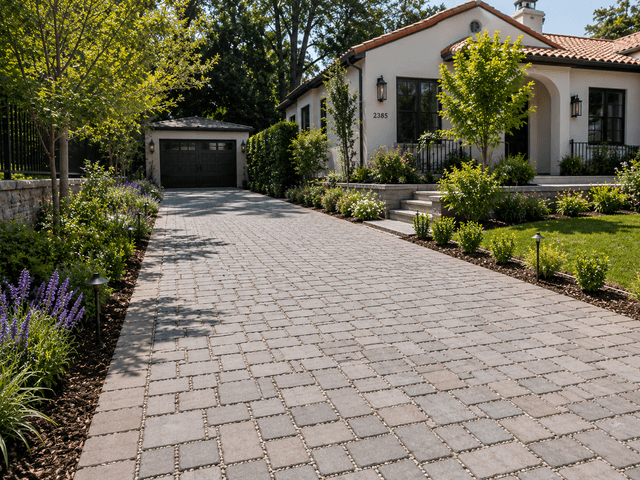
Most driveways and patios shed rainwater straight onto the street, where it picks up pollutants and overwhelms storm drains. Permeable paving flips that: instead of running off, water soaks right through the surface and back into the ground. For Pasadena homeowners weighing a new driveway or patio, permeable driveway pavers Pasadena offer a stormproof, eco-friendly alternative that looks every bit as good as standard pavers.
This guide explains how permeable pavers work, their benefits, the materials involved, how to maintain them, and the local Pasadena considerations that make them a smart fit. For the service itself, see our paver installation, and read on.
How Permeable Pavers Work
A standard paved surface is impervious - water hits it and runs off. Permeable pavers are engineered to let water pass through instead, and the magic is in the layers, not just the paver.
Permeable pavers are set with small gaps or open joints filled with a free-draining aggregate rather than sand. Beneath them sits an open-graded base of crushed stone with plenty of void space. When it rains, water flows through the joints, into the stone base where it's temporarily stored, and then infiltrates slowly into the soil below - or is routed to a drain if needed. The result is a solid, drivable surface that behaves like a sponge, soaking up rain rather than shedding it.
Benefits
The advantages go well beyond keeping puddles off the driveway.
- Storm water management. By absorbing rain on-site, permeable pavers reduce runoff, pooling, and the strain on storm drains during heavy Pasadena storms.
- Eco-friendly. An eco-driveway Pasadena homeowners choose recharges groundwater, filters pollutants out of runoff, and can help meet local storm water goals.
- Fewer separate drains. Because the surface drains itself, you often need less add-on drainage - though it complements broader yard drainage solutions.
- Comfort and durability. Less standing water means safer footing, and quality pavers stay attractive for years.
In short, permeable pavers deliver the look of a classic paved surface with the performance of a drainage system built in.
Materials
"Permeable" describes how the system drains, and a few material approaches achieve it:
- Permeable interlocking concrete pavers (PICP). Solid pavers laid with open, aggregate-filled joints - the most common driveway choice.
- Porous pavers and grid systems. Open-cell units filled with gravel or grass for a softer, greener look.
- The base layer. The real workhorse is the open-graded crushed-stone base that stores and infiltrates water.
Choosing pavers suited to heat and sun matters here too - our guides to paver materials and pavers for hot weather help you pick a surface that performs and lasts. If you're comparing options for a driveway, our look at pavers versus concrete is useful background.
Maintenance
Permeable pavers are low-maintenance, but they do need care aimed at one thing: keeping the joints open so water can keep passing through.
- Sweep or vacuum periodically to keep sediment and debris from clogging the joints.
- Top up the joint aggregate if it settles or washes low over time.
- Avoid sealing the surface in a way that blocks the pores, and keep fine soil and mulch from washing onto it.
With that simple upkeep, a permeable system keeps draining for years. The same attention to detail we describe in what a hardscape contractor should include ensures the base and joints are built right from the start, which is what makes maintenance easy.
Pasadena Considerations
A few local factors make permeable pavers especially worth considering in Pasadena, CA. Winter storms can drop heavy rain in short bursts, so a surface that absorbs water on-site eases runoff and pooling. Clay-heavy soils and sloped lots affect infiltration rates and base design, which is why the system has to be engineered to the site. And Pasadena's mature trees - beautiful, but heavy leaf and debris shed - make routine joint cleaning important to keep the surface draining.
Permeable paving also pairs naturally with water-wise landscaping and can support local storm water and sustainability goals. Explore related local projects - from driveway pavers in Pasadena and pavers for nearby South Pasadena driveways to creative walkway ideas for Pasadena and paver walkway patterns. See finished work in our portfolio.
Considering a Permeable Driveway or Patio?
If you want a driveway or patio that handles Pasadena's storms and treads lightly on the environment, permeable pavers are worth a serious look. Ask about Paver Installation and we'll assess your soil, slope, and drainage, and recommend the right permeable system for your home. Call +1 (818) 303-1570 or contact us to get started.
Frequently Asked Questions
What are permeable pavers and how do they work?
Permeable pavers are set with open, aggregate-filled joints over a base of open-graded crushed stone. Rain flows through the joints into the stone base, where it's stored and then infiltrates into the soil below instead of running off, while the surface stays solid and drivable.
Are permeable driveway pavers good for Pasadena?
Yes. Permeable driveway pavers Pasadena homeowners install absorb heavy winter rain on-site, easing runoff and pooling, and they support groundwater recharge and local storm water goals. The system should be engineered for Pasadena's clay soils and slopes, and routine joint cleaning matters given the area's mature, debris-shedding trees.
Do permeable pavers help with storm water and flooding?
Yes. By letting rain soak through the surface into a stone base and the ground below, permeable pavers cut the runoff that overwhelms storm drains and causes pooling, reduce strain on drainage during heavy storms, and filter pollutants out of the water.
How do you maintain permeable pavers?
Keep the joints open: sweep or vacuum periodically so sediment doesn't clog the gaps, top up the joint aggregate if it settles, and avoid sealing in a way that blocks the pores. With that simple upkeep, a properly built permeable system keeps draining for years.
Are permeable pavers more expensive than regular pavers?
"It depends on the system, the base depth your soil requires, the area, and site conditions. Permeable systems can involve more base work but often reduce the need for separate drainage. Ask about Paver Installation at +1 (818) 303-1570 for an estimate based on your property.
Thinking about a new outdoor space?
We’d love to hear your ideas. Let’s explore what’s possible—no pressure, just a friendly conversation.
Give us a call:
+1 (818) 303-1570
Frequently Asked Question
WE WANT A LOT DONE, BUT CANNOT AFFORD TO DO IT ALL NOW. CAN YOU STILL WORK WITH US?
Yes – it is not uncommon to do a project in phases, especially when there are such constraints as budget and time. Because we draw up our own plans, we can design a project to be installed in phases. Once the complete plan is established, the property owner can easily pick and choose which parts to be completed now and in the future.