
OUR MISSION IS TO TAILOR FOR EACH CLIENT A BEAUTIFUL, FUNCTIONAL AND ENDURING OUTDOOR ENVIRONMENT THAT WILL PROVIDE A PLACE OF SERENITY FOR FRIENDS AND FAMILY TO APPRECIATE FOR YEARS TO COME.

BuildCal Landscape Landscaping Article
DIY vs. Hiring a Pro: The Yard Projects SoCal Homeowners Regret Doing Themselves
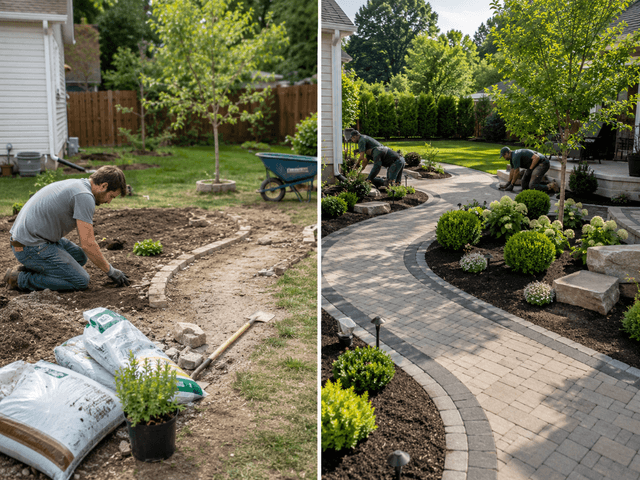
There's a version of this article that says "never DIY anything, hire a pro for everything." That's not this article. Plenty of yard work is genuinely DIY-friendly, and skilled homeowners do great work every weekend across Southern California. But there's also a very specific list of projects that consistently show up in the diy landscaping vs hiring a pro conversation with the same story: it looked simple, it wasn't, and the redo cost more than hiring it out would have in the first place.
This piece is the honest split. Green-light projects where DIY makes real sense, yellow-light ones where it depends, and the red-light list where doing it yourself usually ends in regret. The distinction isn't about talent - it's about what happens when small mistakes compound into structural, drainage, or code problems that are painful to fix later. For hardscape design and construction, see our landscape design services, and read on.
The Framework: What Makes a Project DIY-Friendly
A yard project is genuinely DIY-friendly when all four of these are true:
- Mistakes are reversible. If you can undo it in an afternoon, you can safely learn on the job.
- Failure is cosmetic, not structural. A crooked plant is a bad look; a failing retaining wall is a hazard.
- The work isn't hidden or buried. Anything that gets covered by hardscape (grading, drainage, sub-base) is expensive to redo because you have to tear up what's above it.
- No permits, engineering, or specialty equipment required. The moment any of those enter the picture, so does the risk of getting it wrong at scale.
Anything that fails all four is a good candidate for hiring a pro. Anything that passes all four is fair DIY territory. Most projects sit somewhere in between - and that's where the honest conversation is.
Green Light: Yard Projects That Are Genuinely DIY-Friendly
These pass the test above and are common weekend wins for handy homeowners.
Planting Shrubs, Perennials, and Groundcovers
Planting is one of the most rewarding and forgiving DIY projects. Dig a hole twice as wide as the pot, at the right depth, water deeply after planting, mulch, and most healthy plants do the rest. Mistakes are easy to correct - move a plant, replant a spot. If you want a designed look, work from a native and drought-tolerant palette and mass plants rather than one-of-each.
Mulching, Edging, and Cleanup
Fresh mulch and clean edges do more for how a yard looks than most homeowners expect. Refreshing beds, defining edges with a spade or edging strip, weeding, and pruning are pure-DIY territory. It's also the fastest way to make an existing yard look designed at essentially no cost.
Small Container and Raised-Bed Gardens
Kitchen gardens, herb pots, and small raised beds are terrific DIY. Build a simple wood-framed raised bed, fill with quality garden soil and compost, plant, water, done. Even a beginner can be growing usable food or cut flowers within weeks.
Fresh Sod or Groundcover Repair on a Prepared Base
Laying sod or filling in bare patches with plugs or groundcover is manageable if the base is already prepped and level. Water aggressively at first, keep foot traffic off, and it'll knit in. If the base isn't right - lumpy, compacted, badly graded - that's where DIY sod goes sideways. Consider our related note on living lawn alternatives for lower-water options.
Simple Drip Irrigation for Beds
Adding a basic drip irrigation line off an existing spigot or bib is legitimate DIY territory. Buy a starter kit, run tubing along your beds, add emitters at plants, connect a timer. It won't rival a fully designed system, but for a modest yard it's a real, meaningful upgrade. Anything involving valves, main-line changes, or backflow devices should go to a licensed pro.
Landscape Lighting on a Low-Voltage System
Plug-in low-voltage kits and simple solar path lights are DIY-friendly - a good afternoon's work with meaningful curb-appeal payoff. Designed, layered lighting is another matter and benefits from a professional eye; see our overview of landscape lighting design. Anything requiring line-voltage wiring should always be handled by an electrician.
Small Container-Grown Trees
Planting a smaller container-grown tree (say, up to 15-gallon) is doable for a fit homeowner. Larger boxed specimens, hillside trees, or anything near utilities move quickly into pro territory - moving weight is where injuries and mistakes happen.
Yellow Light: DIY Only If You Really Know What You're Doing
These are on the edge. Some homeowners nail them; many end up hiring a pro to redo the work. Go in with clear eyes.
Small Patios and Walkways (Under About 100 Square Feet)
A small paver patio or short walkway can be done DIY if - and it's a big if - you dig deep enough for a proper sub-base, compact in layers, use a real leveling course, and set edge restraints. Most DIY diy paver problems come from the invisible half: too-shallow excavation, uncompacted base, no edge restraints, and undersized joint sand. What looks flat on day one heaves, sinks, or spreads within a couple of seasons. If you want it to last, review our paver installation notes and our paver materials guide first. Anything bigger than a small patio, or on any grade, tips into red-light territory.
Refreshing an Existing Irrigation System
Replacing sprinkler heads or emitters, adjusting spray patterns, and swapping a controller are all reasonable DIY. Fixing a wasteful or broken system - fixing zones, replacing valves, chasing leaks - is much trickier. See our note on signs your irrigation is wasting water. If you're diagnosing rather than swapping like-for-like, hiring a pro often saves more water and money than the DIY route.
A Small, Freestanding Garden Wall (Under 2 Feet)
Very short decorative garden walls with no soil retained behind them and no surcharge above are fair DIY. Any wall retaining actual grade, or supporting a load behind it, moves straight to red-light - see below.
Building or Repairing a Wooden Fence
Straightforward fence work is DIY-plausible for a handy homeowner - and can look great. It's easy to get wrong on posts (depth, concrete, alignment) and heights (city rules). See our fence installation notes. Any fence in a hillside setback, on a property line, or over the local height limit should be checked against zoning before you dig.
A Simple Fire Pit
A modest, freestanding, wood-burning fire ring on an appropriate non-combustible base is a doable DIY. Gas features, permitted permanent structures, and larger built-in fire features move to red-light. See our outdoor fire pit notes.
Basic Landscape Refresh Following a Designer's Plan
If a professional gives you a plan - plant list, layout, quantities, spacing - a motivated homeowner can absolutely execute the planting themselves. Hiring the design and DIY-ing the install is a legitimate cost-saver. Hiring nothing and inventing as you go isn't.
Red Light: Yard Projects That Consistently End in DIY Regret
This is where the honest conversation earns its keep. These projects share the same profile: mistakes are buried, structural, expensive to redo, or code-relevant - and the internet is full of homeowners paying to redo the DIY version.
Retaining Walls (Anything Real)
Retaining walls top nearly every diy retaining wall mistakes list. Anything above a token garden wall involves engineering the professional shouldn't skip: drainage rock behind the wall, a perforated drain pipe with an outlet, geogrid reinforcement into compacted structural fill, correct base depth and compaction, and often engineered plans. California Building Code triggers a permit for any wall over 4 feet measured from the bottom of the footing to the top, or any wall of any height supporting a surcharge (slope above, driveway, patio, structure). Glendale hillside zones add more. See our full look at when a retaining wall permit is required and our note on retaining wall drainage - the detail that prevents failure. A DIY wall that skips these details doesn't look wrong on day one. It looks very wrong by year three - and rebuilding usually means demolishing everything upslope.
Grading and Drainage
Grading and drainage share retaining walls' problem: mistakes are buried, and every downstream project sits on top of them. A yard that isn't graded right, or drained properly, quietly ruins patios, plants, and walls that come later. DIY diy drainage fail stories are almost always the same pattern - a French drain installed where regrading was needed, a downspout ignored, clay soil misread, or a swale with no meaningful drop. See our diagnostic on french drain vs regrading and our broader landscape drainage solutions. This is one of the highest-payoff areas to hire out.
Large or Structural Paver Work
Small pavers can be a decent DIY project. Big pavers - a full driveway, a large patio, anything on grade or supporting vehicles or an outdoor kitchen - move firmly to the pro list. The base, edge restraints, drainage, and pattern layout at scale are where DIY installations fail within a couple of seasons. Our notes on best hardscaping materials and paver patterns cover the disciplines that make paver work last.
Steps and Staircases in the Yard
Yard steps look simple. They're not. Correct rise-to-run ratios, consistent tread depths, proper base and drainage under each step, and connection to landings all matter for both safety and code. See our overview of outdoor steps and staircases. Trip hazards from inconsistent risers are a real liability issue.
Anything Requiring a Permit
Any project that triggers a building permit (pergolas past certain sizes, structural retaining walls, some fire features, structural work) is a red-light DIY. Permit-required work has to be built to code, inspected, and documented, and unpermitted structures create title, appraisal, and insurance issues at resale. See our hardscape permits guide for what typically triggers what.
Hillside Work of Any Kind
Grading, walls, and planting on a real slope is another category entirely. Glendale specifically has strict hillside management rules because of the Verdugo foothills' erosion history. Soil movement, drainage, and wall stability are all more consequential on a slope - and mistakes can affect neighbors, easements, and liability. Hire a professional with real hillside experience.
The Hidden Cost of a DIY That Doesn't Hold
The reason so many DIY yard projects show up on regret lists isn't just craftsmanship - it's the chain reaction when the invisible parts fail:
- A DIY patio without proper base heaves and cracks - and fixing it means tearing out the whole surface, not just re-leveling.
- A DIY retaining wall without drainage or geogrid bulges or leans - and rebuilding usually requires demolishing everything upslope.
- A DIY drainage plan aimed at the wrong problem makes the yard wetter, not drier, and can send water toward the house or a neighbor's property (a liability issue).
- An unpermitted structure surfaces at title or inspection during a sale and can cost more to legalize than the original professional job would have.
- A DIY sprinkler or drainage rework that damages a main line, utility, or foundation adds a repair bill on top of the failed original.
The real question isn't whether you can build it. It's whether you can afford to redo it if it fails - and how much of what's built above or around it will have to come out with it. Our related guide on comparing quotes on diagnosis and workmanship is useful once you decide to hire out.
A Smart Way to Split the Work
You don't have to pick one or the other. The most efficient homeowners combine both:
- Hire the design and any structural, buried, or code-relevant work. Retaining walls, grading, drainage, large pavers, steps, and permit-required builds.
- DIY the planting, mulching, edging, small-scale hardscape refresh, and finishing. It's the emotionally rewarding part of yard work and a real cost saver.
- Let the pro complete the underground and structural first. Then step in for the planting and finishing phases.
- Use the master plan as your DIY roadmap. A proper design process gives you the layout and specifications you can then execute yourself.
Grab our free DIY-or-Hire Decision Guide - a one-pager that runs each of your ideas through the four-part filter (reversible, cosmetic vs structural, buried or not, permits/equipment) so you go into planning with a clear split between what you'll build and what you'll hire out.
Decide Together Before You Break Ground
The smartest move for most homeowners is not to choose DIY or pro across the board - it's to divide the work along the right lines. Book a free consult on your project and we'll walk your yard, tell you honestly which pieces are safely DIY and which really need a pro, and lay out a plan that lets you get your hands dirty on the parts that make sense while protecting the ones that don't. Call +1 (818) 303-1570 or contact us to schedule, and explore our landscape design services.
Frequently Asked Questions
Which yard projects are safe to DIY?
In the diy landscaping vs hiring a pro debate, planting shrubs and perennials, mulching and edging, small container and raised-bed gardens, basic drip irrigation, low-voltage plug-in landscape lighting, and small container-grown trees are consistently DIY-friendly. Mistakes are reversible, failure is cosmetic, and the work isn't buried. Skilled homeowners handle these all the time.
What yard projects should I never DIY?
The consistent red-light list is retaining walls of any real height, grading and drainage, large or structural paver work, yard steps and staircases, anything requiring a permit, and hillside work. These share a profile: mistakes are buried or structural, expensive to redo, and often code-relevant. If any of the four factors (irreversible, structural failure, hidden work, permits/equipment) applies, seriously consider hiring a pro.
Why is DIY drainage such a common regret?
Diy drainage fail stories almost always share the same pattern - a French drain installed where regrading was actually needed, downspouts ignored, clay soil misread, or a swale with no meaningful drop. Drainage mistakes are buried, so redoing them means tearing up whatever's above. And a wrong drainage move can send water toward the house or a neighbor's yard, creating liability. Diagnose first, then decide - it's one of the highest-payoff areas to hire out.
Are DIY retaining walls a bad idea?
Beyond a very short decorative garden wall with no soil retained and no load above, yes - real diy retaining wall mistakes top the regret lists for a reason. Walls need drainage rock, a perforated drain pipe with an outlet, geogrid reinforcement into compacted fill, correct base, and often engineered plans. California Building Code triggers a permit for any wall over 4 feet measured from the bottom of the footing, or any wall supporting a surcharge (slope, driveway, patio) at any height. DIY walls that skip these details fail within a few years, often taking upslope hardscape with them.
When to hire a landscaper versus doing it yourself?
Hire a professional for structural, buried, or code-relevant work - walls, grading, drainage, large pavers, steps, and permit-required builds. DIY the planting, mulching, edging, small-scale hardscape refresh, and finishing. Many homeowners split the project this way: hire the design and the invisible/structural work, then take on the planting and finishing themselves. Book a free consult on your project at +1 (818) 303-1570 to talk through where to draw the line on yours.
Thinking about a new outdoor space?
We’d love to hear your ideas. Let’s explore what’s possible—no pressure, just a friendly conversation.
Give us a call:
+1 (818) 303-1570
Frequently Asked Question
WHAT DOES A LANDSCAPE DESIGN COST?
You purchase a landscape designer’s expert consultation time, and, typically, your project’s design plan. Landscape designers bill for their services in various ways. Design is ordinarily billed on an hourly basis or as a flat fee. It is important that the homeowner and the landscape designer have an early discussion and agreement about the cost of services.