
OUR MISSION IS TO TAILOR FOR EACH CLIENT A BEAUTIFUL, FUNCTIONAL AND ENDURING OUTDOOR ENVIRONMENT THAT WILL PROVIDE A PLACE OF SERENITY FOR FRIENDS AND FAMILY TO APPRECIATE FOR YEARS TO COME.

BuildCal Landscape Patios (Project Planning) Article
Seasonal Patio Maintenance Checklist (Sealing, Sand, Drainage, Lighting)
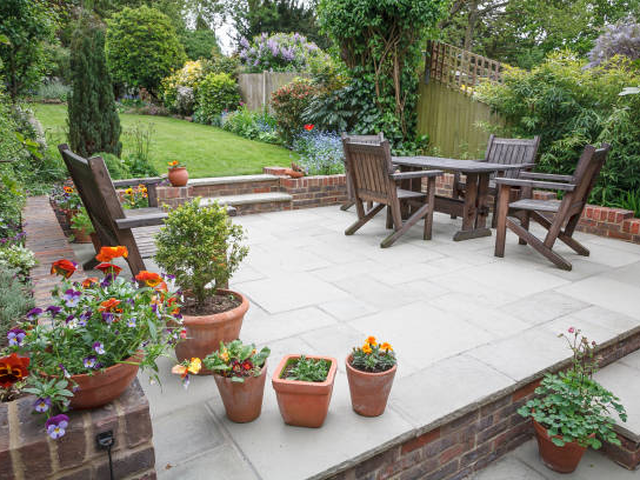
Southern California patios don’t “die” from snow. They fail quietly from sun, irrigation overspray, fine dust, and small drainage issues that turn into water pooling, algae, and shifting edges. A seasonal plan keeps your patio safer, cleaner, and cheaper to maintain—especially if you have pavers (joint sand + edges) or stamped concrete (sealer + surface traction).
This patio maintenance checklist southern california is designed to be copy/pasted into your Notes app as a downloadable checklist. It covers the four things that prevent 80% of patio damage: sealing, sand/joints, drainage, and Outdoor Lighting.
Proof-based standards
“We’ve been designing outdoor spaces since 2010 — over 14 years of hands-on work right here in Glendale and surrounding neighborhoods.”
“Our team includes designers and technicians certified by the American Society of Landscape Architects (ASLA) — every project we complete is documented with before-and-after photos.”
“We use trusted local materials — like California-native stone and drought-resistant plants — so your yard lasts longer and needs less maintenance.”
The 4 failure points this checklist prevents
1) Sealing failure
-
Fading, chalky color, stains that “set” quickly
-
Slippery surface after watering (especially in shade)
2) Joint sand + edging failure (pavers)
-
Weeds in joints
-
Ant activity and washout
-
Pavers that wobble or separate
If you’re seeing movement, this installation reference helps you understand the “why”: https://buildcal.com/article/paver-installation-glendale-ca.
3) Drainage failure
-
Water pooling that lasts hours
-
Green film/algae (slip hazard)
-
Erosion at patio edges
4) Outdoor Lighting failure
-
Dark corners and trip zones
-
Glare that makes the patio feel harsh
-
Dead fixtures from water intrusion or loose connections
Use this planning guide as your lighting baseline: https://buildcal.com/article/the-ultimate-guide-to-landscape-lighting-design-in-southern-california.
Downloadable seasonal patio maintenance checklist
Copy/paste the checklist below into Notes and check off items each season.
Spring checklist (reset + protect)
-
☐ Sweep and rinse patio (remove dust and pollen buildup)
-
☐ Inspect for water pooling after a hose test (5–10 minutes)
-
☐ Clean organic film in shaded corners (reduces slipping)
-
☐ Pavers: top up joint sand where lines look low or open
-
☐ Pavers: inspect edging/borders for separation
-
☐ Stamped concrete: check sealer condition (dull patches = wear zones)
-
☐ Inspect irrigation overspray hitting the patio surface
-
☐ Outdoor Lighting: clean lenses, re-aim fixtures away from eyes and toward walking surfaces
-
☐ Check drains/outlets and clear debris before the first heavier spring watering cycles
If your patio is part of your “hosting space,” pair maintenance with layout upgrades here: https://buildcal.com/article/how-to-create-the-perfect-outdoor-entertainment-space-in-glendale.
Summer checklist (heat + irrigation stress)
-
☐ Quick weekly sweep (dust acts like sandpaper on finishes)
-
☐ Pavers: spot-check joint sand after heavy irrigation weeks
-
☐ Look for ants moving joint sand (early warning)
-
☐ Stamped concrete: avoid harsh degreasers; clean spills quickly to reduce staining
-
☐ Confirm drainage paths aren’t blocked by mulch, planters, or soil drift
-
☐ Outdoor Lighting: check wire exposure, fixture wobble, and heat-affected timers
-
☐ Inspect for hairline cracks or settling near transitions (steps/edges)
For design upgrades that add function while you maintain, scan: https://buildcal.com/article/15-stunning-landscape-design-ideas-for-your-southern-california-home.
Fall checklist (prep for rain + runoff)
-
☐ Clear leaves/debris from drains, channel drains, and low points
-
☐ Hose test: confirm runoff exits safely (no pooling at thresholds)
-
☐ Pavers: reset any rocking pavers before rainy days arrive
-
☐ Pavers: refresh joint sand in areas that look washed out
-
☐ Stamped concrete: evaluate whether a reseal window is approaching
-
☐ Outdoor Lighting: verify path/step lights are working (shorter days = more nighttime use)
-
☐ Inspect slope areas above the patio for erosion lines or soil movement
-
☐ Confirm downspouts are not dumping near patio edges
For broader seasonal upkeep (beyond the patio), this guide helps align the rest of the yard: https://buildcal.com/article/seasonal-landscaping-maintenance-guide-for-southern-california.
Winter checklist (rain events + safety)
-
☐ After storms: check for new pooling spots and slippery algae zones
-
☐ Clear debris from discharge points (the drain must have “somewhere to go”)
-
☐ Pavers: check edges after storm runoff (early settling shows here first)
-
☐ Stamped concrete: confirm traction in shaded zones (slip risk rises when damp)
-
☐ Outdoor Lighting: confirm fixtures are sealed and not taking on water
-
☐ Document any shifting or cracking with photos (same angles)
If you’re also seeing lawn stress that hints at drainage or irrigation issues, compare symptoms here: https://buildcal.com/article/7-common-lawn-problems-in-southern-california-and-how-to-fix-them.
Quick 10-minute monthly check (high ROI)
Do this once a month and you’ll catch most problems early:
-
☐ Walk the patio barefoot (feel wobble, edges, trip points)
-
☐ Look for joint sand loss lines (pavers)
-
☐ Look for dull patches or slick patches (stamped concrete)
-
☐ Confirm water flows away from doors and doesn’t sit in corners
-
☐ Turn on Outdoor Lighting and look for glare, dark gaps, and dead fixtures
When to book a maintenance visit
Schedule a maintenance visit if you notice any of these:
-
Water pooling lasts more than a few hours
-
Green film/algae keeps returning in the same spot
-
Pavers wobble or gaps are widening
-
Joint sand keeps disappearing (often runoff or ants)
-
Outdoor Lighting flickers, fails, or no longer lights steps/edges
-
Stains are setting into the surface despite cleaning
To bundle patio maintenance with other yard upkeep, you can also use:
-
Gardening-focused maintenance: https://buildcal.com/gardening
-
General maintenance overview: https://buildcal.com/maintenance
Book a patio maintenance visit
If you want a patio that stays level, drains correctly, and looks sharp year-round, schedule a maintenance visit and address the four failure points before they become repairs.
-
Primary service page: https://buildcal.com/hardscape
-
Call to schedule: +1 (818) 303-1570
Competitive positioning (required)
We’re the ONLY company in Glendale that offers:
→ A free, no-pressure personal meeting — we walk your yard, listen to you, and learn how you want to live in it
→ Custom designs for each home — no copied templates
→ Drought-resistant plants — so you save water and avoid constant upkeep
→ Guarantee on all work — we don’t just build, we make sure it lasts
FAQ'S
"I have a small yard… what works for me?"
"We design compact, low-maintenance yards with easy pathways, drought-tolerant plants, and soft lighting that creates a calm, welcoming feel. You won’t need to mow every week."
"My yard is old and messy… can you fix it?"
"Yes. We specialize in reviving neglected yards — we remove weeds, rebuild paths, add new plants, and install smart irrigation. We turn a “jungle of weeds” into a peaceful retreat."
"Can you install outdoor lighting?"
"Yes. We design lighting that highlights your favorite features — whether it’s your entrance, pool, or favorite tree. The lights are gentle, safe, and energy-efficient."
"I want pathways or an outdoor patio?"
"Yes. We build walkways from natural stone and patios from heat-resistant pavers — all crafted by skilled hands, built to last without cracks or damage."
"What makes you different from other companies?"
"We don’t just plant trees. We design a space where you can sit with your family, drink coffee, and relax. Every project starts with a personal meeting — we listen to you, see your space, and understand how you want to live in it."
Thinking about a new outdoor space?
We’d love to hear your ideas. Let’s explore what’s possible—no pressure, just a friendly conversation.
Give us a call:
+1 (818) 303-1570
Frequently Asked Question
HOW CAN WE PLAN A LOW-MAINTENANCE LANDSCAPE?
There are several ways to create a lush and lasting low maintenance landscape. Such as: installing smaller planting beds, filling the property with hardy plants and border color (such as perennials), applying a 3” layer of mulch to retain moisture, picking correct plants for the existing sun exposure, soil conditions, and water availability.