
OUR MISSION IS TO TAILOR FOR EACH CLIENT A BEAUTIFUL, FUNCTIONAL AND ENDURING OUTDOOR ENVIRONMENT THAT WILL PROVIDE A PLACE OF SERENITY FOR FRIENDS AND FAMILY TO APPRECIATE FOR YEARS TO COME.

BuildCal Landscape Patio Borders / Plants Article
Low-Maintenance Patio Landscaping: Borders, Plants, and Clean Edges That Stay Neat
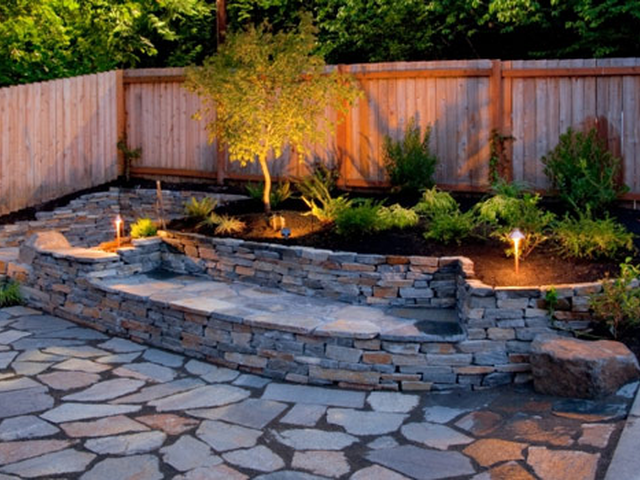
Good patios do not fail because of the patio itself. They usually start looking messy because the border around the patio was never planned properly.
That is why low maintenance patio landscaping matters so much. The right border design keeps mulch in place, keeps plants from feeling overgrown, reduces cleanup, and gives the patio a clean edge that still looks good months later, not just right after installation.
If you want a patio that feels finished without creating a weekly trimming and sweeping routine, the best strategy is simple: use strong edges, choose the right plant palette, and build a border that matches how the patio is actually used.
Proof-Based Trust Signals
Outdoor spaces have been designed since 2010 — over 14 years of hands-on work right here in Glendale and surrounding neighborhoods.
Designers and technicians certified by the American Society of Landscape Architects (ASLA) document projects with before-and-after photos.
Trusted local materials — like California-native stone and drought-resistant plants — help outdoor spaces last longer and need less maintenance.
Why Patio Borders Get Messy So Fast
Most patio borders become high-maintenance for one of five reasons:
- the edge between patio and planting bed is weak or undefined
- the plant selection grows too fast for the space
- mulch is applied without a real retention strategy
- irrigation sprays onto the patio and creates mess or algae
- the planting bed is too narrow to look intentional but too wide to stay tidy
A better border design solves all five at once.
If you are still deciding how the hardscape surface itself should perform, review pavers vs concrete before you finalize the patio edge treatment.
The Best Formula for Low-Maintenance Patio Landscaping
The simplest formula is:
clean hard edge + controlled mulch zone + compact plant palette + proper Irrigation Systems
That sounds basic, but most messy patio borders fail because one of those four pieces is missing.
1) Clean hard edge
A border needs a clear line between the patio and the planting area. That edge can be built with:
- metal edging
- stone edging
- paver border courses
- concrete curbing
- flush edge restraints
A clean edge keeps mulch from spilling, prevents plants from leaning awkwardly onto the patio, and makes sweeping easier.
2) Controlled mulch zone
Mulch works best when it is part of a system, not just scattered around plants. A neat mulch zone:
- reduces evaporation
- lowers weed pressure
- visually simplifies the bed
- makes the border look intentional
3) Compact plant palette
The best patio borders are usually planted with fewer plant varieties, not more. Too many shapes, growth habits, and maintenance needs make borders feel busy and harder to manage.
4) Proper Irrigation Systems
A border cannot stay neat if water is being sprayed across the patio every morning. Drip-style watering or well-directed low-output irrigation often works better than sloppy spray patterns.
Best Patio Border Styles for Less Upkeep
Simple paver border + gravel mulch band
This is one of the easiest styles to keep neat. A defined paver border next to a narrow gravel or decorative rock band reduces organic debris buildup and gives the patio a crisp edge.
Planting bed with mulch and repeated shrubs
A repeated shrub pattern looks cleaner than a mixed “collector garden.” Repetition makes the patio feel more designed and lowers pruning complexity.
Native Plants border
A border built around Native Plants often performs better long-term because the plant material is better suited to local heat and water conditions. To compare approaches, review Native Plants vs non-native plants in Glendale.
Low wall or raised edge with planting behind
A slightly raised edge can help contain mulch, define the patio line, and keep plant growth visually behind the seating zone instead of spilling into it.
Plant Choices That Stay Cleaner Around a Patio
For a low-upkeep patio edge, look for plants with these traits:
- moderate, predictable growth
- lower litter drop
- good heat tolerance
- structure that does not flop over onto hardscape
- lower pruning demand
A strong place to start is the best low-maintenance plants for a beautiful Glendale garden.
That type of plant selection works especially well near patios because it lowers trimming, cleanup, and seasonal mess.
You can also support the border with water-wise planning from the ultimate guide to water-wise landscaping in Los Angeles or drought-tolerant landscaping ideas for Southern California.
What to Avoid in Patio Border Design
If the goal is low maintenance landscaping, avoid these common mistakes:
Overplanting
Too many plants in a narrow border quickly turn the patio edge into a trimming job.
Soft edges with no restraint
Without a real edge, mulch travels, soil spills, and the patio line looks fuzzy fast.
Plants with aggressive spread
Fast-growing plants can look great for a month and then start covering the patio edge.
Mismatched materials
If the patio, edging, and mulch palette do not work together visually, the space feels cluttered even when it is technically clean.
Irrigation overspray
Water landing on hardscape adds cleanup and slip risk, especially in shaded areas.
If patio edges connect to broader hardscape features, look at hardscaping ideas that boost curb appeal and value.
Border Design Checklist
Use this as a simple printable checklist before finalizing a patio border:
Edge control
- ☐ Is there a clear hard edge between the patio and planting bed?
- ☐ Will mulch stay contained after watering and wind?
- ☐ Can the patio be swept easily without catching loose material?
Plant selection
- ☐ Are the plants compact enough for the border width?
- ☐ Do they fit Glendale, CA heat and watering conditions?
- ☐ Will they keep their shape without constant pruning?
Visual simplicity
- ☐ Does the border use a limited, repeated plant palette?
- ☐ Does the border feel clean from the main seating view?
- ☐ Do the materials match the patio surface?
Maintenance control
- ☐ Will Irrigation Systems keep water off the patio?
- ☐ Is mulch depth manageable and easy to refresh?
- ☐ Will the border still look neat in six months, not just the first week?
How Patio Borders Support the Whole Yard
A neat patio border does more than reduce upkeep. It also improves how the full backyard reads.
Good borders:
- make patios feel more finished
- support better transition into planting zones
- improve perceived quality
- help the whole yard feel more intentional
That is especially important if the patio connects to entertaining spaces. For layout inspiration, see how to create the perfect outdoor entertainment space in Glendale and transform your backyard into an entertainment oasis.
If your project includes pavers or border courses, use paver installation in Glendale, CA as a local reference before finalizing details.
When Low-Maintenance Landscaping Is the Better Investment
A patio border should not become the “hidden chore” of the yard.
Choosing cleaner edges, lower-upkeep plants, and better water control often gives you more day-to-day value than adding more plant types or more decorative complexity. The best result is a patio that still feels polished after real use, real weather, and real seasons.
For homeowners who want to simplify upkeep without losing visual quality, this is usually where better Landscape Design starts.
Explore the main landscaping services page if the patio border is part of a larger Landscape Design plan.
Book a Free Landscape Design Consult
If you want patio borders that stay cleaner, need less trimming, and still look polished, start with a layout and planting review before anything is installed.
Book a free landscape design consult through landscaping services or call +1 (818) 303-1570.
A strong landscape process should include:
→ A free, no-pressure personal meeting to walk the yard and understand how the patio is used
→ Custom designs for each home — no copied templates
→ Drought-resistant plants that reduce water use and ongoing upkeep
→ Work built to last, not just look good on day one
FAQ'S
"QUESTION: I have a small yard… what works for me?"
"ANSWER: Compact, low-maintenance yards often work best with easy pathways, drought-tolerant plants, and soft lighting that creates a calm, welcoming feel. You won’t need to mow every week."
"QUESTION: My yard is old and messy… can you fix it?"
"ANSWER: Yes. Neglected yards can be revived by removing weeds, rebuilding paths, adding new plants, and installing smart irrigation. A “jungle of weeds” can become a peaceful retreat."
"QUESTION: Can you install outdoor lighting?"
"ANSWER: Yes. Outdoor Lighting can highlight your favorite features — whether it’s your entrance, pool, or favorite tree. The lighting should feel gentle, safe, and energy-efficient."
"QUESTION: I want pathways or an outdoor patio?"
"ANSWER: Yes. Walkways from natural stone and patios from heat-resistant pavers can be built to last without cracks or damage."
"QUESTION: What makes a patio border low-maintenance?"
"ANSWER: A low-maintenance patio border usually combines a clean hard edge, controlled mulch, a simple plant palette, and Irrigation Systems that keep water off the patio surface."
Thinking about a new outdoor space?
We’d love to hear your ideas. Let’s explore what’s possible—no pressure, just a friendly conversation.
Give us a call:
+1 (818) 303-1570
Frequently Asked Question
HOW DOES THE DESIGN PROCESS WORK?
While the process may vary depending on the designer, the client’s needs, and the complexity of the project, most residential design projects include the following:
Initial Consultation, This is a chance to meet the designer and review the requirements and objectives of the project. Many designers charge for this visit, so to get the most out of the experience, ask the designer the best way to prepare and be sure you understand exactly what will be covered at this meeting.
Concept Plan. After listening to your ideas and priorities, the designer analyzes the site’s character, strengths and problems, and then develops one or more alternative concept plans for review.
Master Plan. The final master plan represents the culmination of your choices with the designer, and typically includes a complete spatial layout for your outdoor living spaces and other hardscape or architectural concepts.
Planting Plan. This is a working drawing from which the garden will actually be planted, and includes botanical names, container sizes, specific plant locations, and planting instructions to the contractor.
Additional Plan Documents. Depending on the scoop of your project, your designer may also provide a lighting plan, specialized guidelines on planting or irrigation, or notes and sketches on design elements such as water features or furniture and accessories placement.
Installation Assistance Many landscape designers will assist you in soliciting and reviewing construction bids, including referring contractors appropriate for your project. Others may choose to provide drawings only. Designers often stay involved throughout the installation phase to advise on design modifications, material selections and purchase and placement of garden art and accessories.